
Historical Significance of the Lewis Center Ohio Champion Trees

Written By
Admin
Significance of the Lewis Center Ohio Champion Trees
hampion Trees
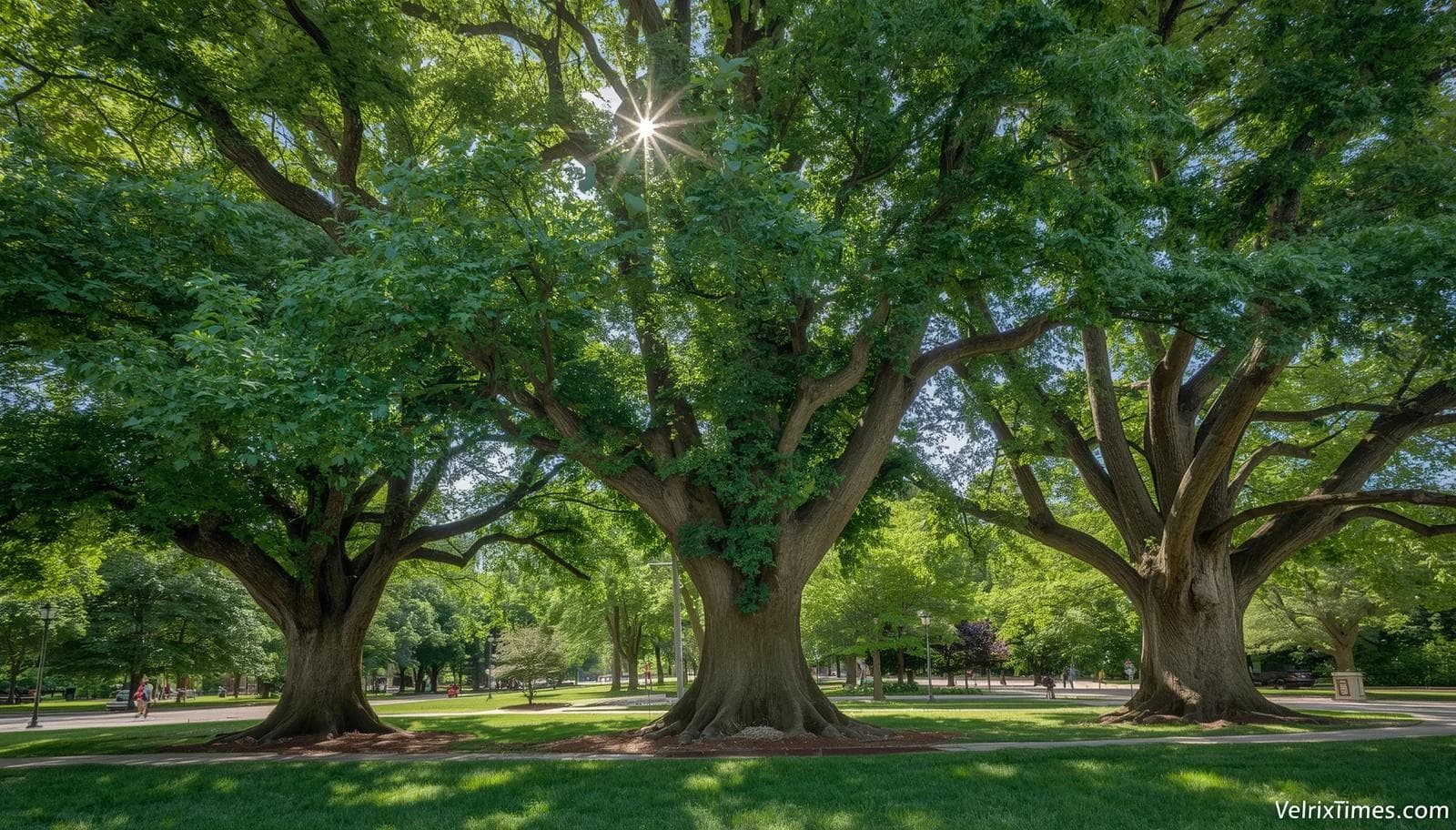
The Lewis Center Ohio Champion Trees have existed for much longer than most plants found in the surrounding landscape, making them an important part of Ohio's natural and cultural heritage. Many of these trees have survived for more than a century, witnessing generations of environmental and community changes.
These remarkable trees are often referred to as living monuments because of their age, size, and historical value. Their presence attracts visitors, researchers, and nature enthusiasts who appreciate both their beauty and ecological importance. During the early twentieth century, forestry experts began identifying and documenting exceptional trees to better understand their growth, benefits, and contribution to local ecosystems.
Beyond their impressive appearance, champion trees play a vital role in supporting wildlife. They provide food, shelter, and nesting opportunities for numerous species while also helping improve soil quality and environmental health. Their long lifespan makes them valuable symbols of resilience and conservation.
How Are the Champion Trees in Ohio Measured?
Champion trees are identified through a standardized measurement system designed to determine the largest specimen of a particular species. Forestry organizations evaluate trees based on three primary characteristics: trunk circumference, overall height, and crown spread.
The trunk circumference measures the size of the tree's trunk, while the height is calculated from the base to the highest point of the canopy. Crown spread refers to the average width of the tree's canopy and helps assess the tree's overall size and growth.
Once these measurements are collected, a scoring formula is applied to determine champion status. This system allows experts to compare trees fairly and identify the most outstanding specimens within a region.
Best Places to See the Giant Native Trees
For nature lovers, photographers, and outdoor enthusiasts, visiting champion trees is a unique opportunity to experience some of the largest and oldest living organisms in North America. These remarkable trees are admired not only for their massive size but also for their ecological importance and historical value. Several locations across the United States are known for their impressive collections of giant native trees, making them popular destinations for visitors interested in exploring natural landmarks.
Highbanks Metro Park
One of the best places to see large native trees near Lewis Center is Highbanks Metro Park. Located in Delaware County, Ohio, this beautiful park is known for its mature forests, scenic overlooks, and extensive hiking trails. The park sits along the Olentangy River, creating ideal growing conditions for a variety of native tree species.
Visitors can find towering sycamores, oaks, and other hardwood trees throughout the park. The combination of fertile soil, river access, and protected natural areas has allowed many trees to reach impressive sizes. Highbanks Metro Park is also home to diverse wildlife, making it an excellent destination for birdwatching and nature photography.
Congaree National Park
Another famous destination for giant native trees is Congaree National Park in South Carolina. Often referred to as the "Redwoods of the East," this park contains one of the largest concentrations of champion trees in the United States. The old-growth floodplain forest provides ideal conditions for exceptional tree growth.
Many of the trees in Congaree exceed 130 feet in height, creating a breathtaking landscape that attracts thousands of visitors each year. The park is particularly well known for its massive hardwood trees, including champion specimens that rank among the largest of their species nationwide. Walking through Congaree offers a rare opportunity to experience a forest that has remained largely unchanged for centuries.
Alum Creek State Park
Located close to Lewis Center, Alum Creek State Park is another excellent location for viewing large native trees. The park's woodlands feature several mature tree species, including Eastern Cottonwoods and Sycamores that thrive near waterways. Its extensive natural areas provide favorable conditions for long-term tree growth and wildlife habitat.
The park also offers hiking trails, boating opportunities, and scenic viewpoints, making it a popular destination for outdoor recreation while exploring Ohio's impressive natural landscapes.
Why Visit Champion Tree Locations?
Champion tree destinations offer much more than beautiful scenery. These sites allow visitors to appreciate the scale, age, and ecological importance of some of the nation's most remarkable trees. Many of these giants have survived for hundreds of years, providing valuable habitat for wildlife while serving as living records of environmental history.
Exploring these locations helps raise awareness about conservation efforts and the importance of protecting mature forests. Whether you are interested in photography, hiking, wildlife observation, or simply enjoying nature, visiting champion tree sites provides an unforgettable experience.
Conclusion
The Lewis Center Ohio Champion Trees are among the most remarkable natural treasures in the region. Recognized for their extraordinary size, age, and environmental importance, these trees represent the strength and resilience of Ohio's forests. From supporting wildlife and improving ecological health to preserving a connection with the past, champion trees offer benefits that extend far beyond their impressive appearance.
Whether you are a nature enthusiast, photographer, or outdoor explorer, visiting these magnificent trees provides a unique opportunity to appreciate some of the oldest and largest living organisms in the landscape. Their preservation ensures that future generations can continue to enjoy and learn from these extraordinary examples of nature's enduring legacy.