
How the Right Gloves Prevent Heat Loss: A Complete Guide to Thermal Hand Protection

Written By
Admin
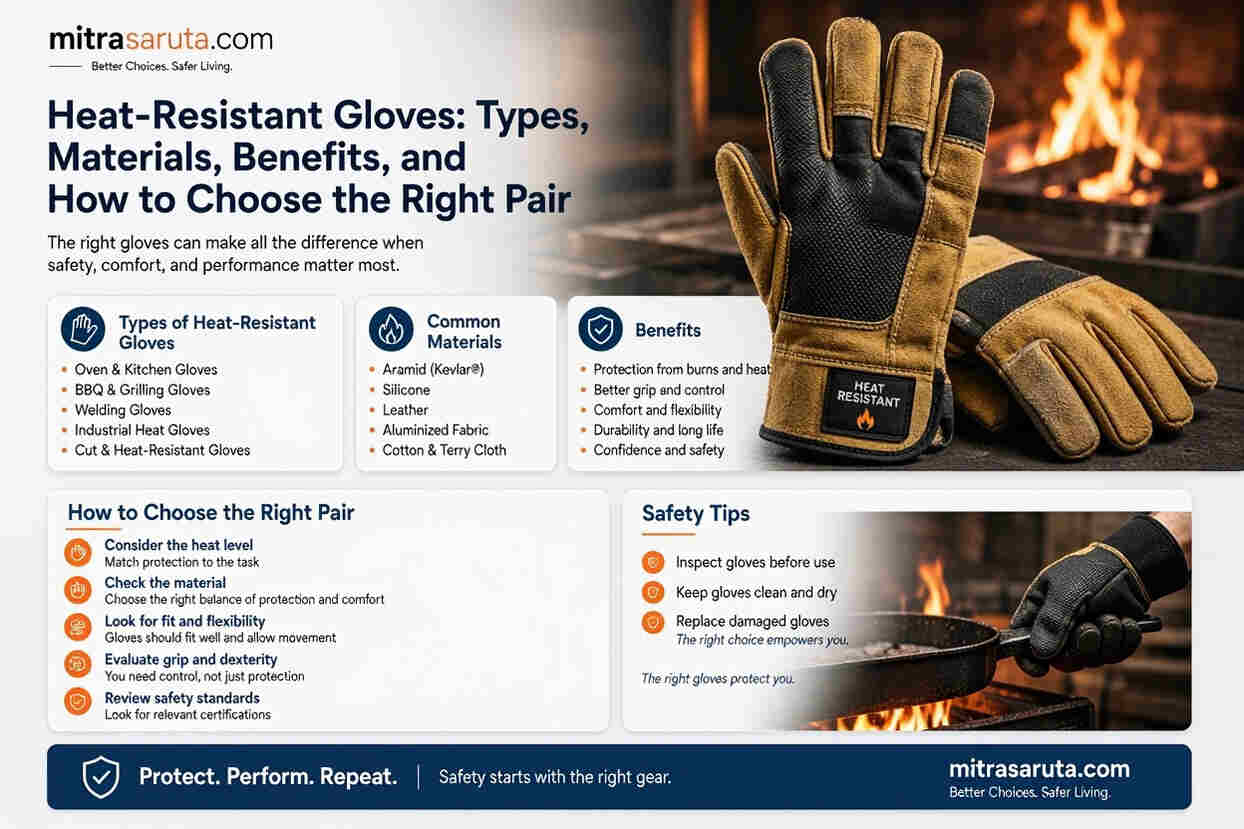
Protecting your hands from cold temperatures is essential for maintaining comfort, productivity, and safety in various environments. Whether working outdoors, handling refrigerated products, operating machinery in cold storage facilities, or participating in winter activities, wearing the right gloves can make a significant difference. Proper hand protection helps reduce heat loss, maintain skin temperature, and prevent cold-related injuries.
However, not all gloves provide the same level of thermal protection. Their effectiveness depends on insulation materials, construction, fit, moisture resistance, and suitability for specific working conditions. Understanding how gloves prevent heat loss can help individuals and businesses choose the most appropriate hand protection.
Understanding How Heat Loss Occurs Through the Hands
The human body continuously exchanges heat with its surroundings. When exposed to cold temperatures, heat can escape through several mechanisms, including conduction, convection, radiation, and evaporation.
Conduction occurs when hands come into direct contact with cold surfaces, such as metal tools, frozen materials, or refrigerated equipment. Convection happens when moving cold air carries heat away from exposed skin. Radiation involves the transfer of heat from the body to colder surrounding objects, while evaporation removes heat when moisture on the skin or inside gloves turns into vapor.
Hands are particularly vulnerable because they frequently interact with external surfaces and environmental conditions. Without adequate protection, prolonged cold exposure can cause discomfort, reduced finger mobility, and decreased sensitivity.
Wearing properly designed thermal gloves creates a protective barrier that slows these heat-transfer processes.
How Thermal Gloves Help Prevent Heat Loss
Thermal gloves are designed to retain body heat while reducing the effects of external cold. Their effectiveness comes from several important design features.
1. Insulating Materials Trap Warm Air
Insulation is one of the most important factors in thermal glove performance. Materials such as fleece, synthetic fibers, wool, and specialized thermal insulation create small spaces that trap air.
Since still air is a relatively poor conductor of heat, these trapped air pockets help slow heat transfer from the hands to the surrounding environment.
Different insulation materials provide different benefits. Fleece is lightweight and comfortable, while synthetic insulation can retain useful thermal performance under damp conditions. Wool offers natural insulation and moisture-management properties.
The best option depends on temperature, activity level, and workplace requirements.
2. Proper Glove Fit Maintains Thermal Efficiency
Glove size has a direct influence on heat retention. Gloves that are too tight can restrict circulation and compress insulating materials, reducing their ability to trap warm air.
Conversely, excessively loose gloves may allow cold air to enter through the openings and create unnecessary movement inside the glove.
A properly fitted glove should provide enough room for natural finger movement without leaving excessive empty space. Workers should also consider whether they need to wear additional glove liners underneath their outer protection.
3. Wind Resistance Reduces Convective Heat Loss
Wind can significantly increase heat loss by removing the warm layer of air surrounding the hands. This makes wind-resistant gloves particularly valuable for outdoor workers, construction professionals, delivery personnel, and other individuals exposed to changing weather conditions.
Gloves with tightly woven outer fabrics, wind-resistant membranes, or specialized protective coatings can reduce cold air penetration.
By limiting airflow through the glove material, these designs help preserve the warm microenvironment around the fingers and palms.
4. Moisture Protection Helps Keep Hands Warm
Moisture is another major factor affecting thermal comfort. Wet gloves generally provide less effective insulation because water can replace insulating air pockets and increase heat transfer.
Waterproof or water-resistant gloves help protect against rain, snow, splashes, and damp working conditions. Breathable materials are also important because they allow internal moisture from perspiration to escape.
For environments involving water, snow, or refrigerated products, selecting gloves with appropriate moisture protection can improve comfort and reduce the risk of cold-related problems.
Choosing the Right Gloves for Different Environments
Different activities require different levels of thermal protection. Selecting gloves based on actual working conditions is more effective than choosing products based only on appearance or thickness.
For outdoor construction and maintenance, durable insulated gloves with wind resistance and reinforced palms are useful. These features provide thermal protection while supporting regular handling activities.
Cold storage and food processing facilities require gloves designed for prolonged exposure to refrigerated or frozen environments. Workers should select products specifically rated for the expected temperature and handling conditions.
For general winter activities, fleece-lined or wool gloves may provide sufficient comfort. However, waterproof outer layers are preferable when snow or moisture is present.
Industrial environments may require specialized gloves that combine thermal insulation with cut resistance, abrasion resistance, grip, or chemical protection. Employers should evaluate all relevant workplace hazards before selecting protective equipment.
The Importance of Breathability and Hand Comfort
Thermal protection should not come at the expense of comfort. Hands naturally produce perspiration during physical activities, even in cold environments.
If moisture accumulates inside gloves, the hands may become uncomfortable and lose heat more rapidly. Breathable glove materials help manage internal humidity while maintaining protection against external conditions.
Ergonomic construction also matters. Flexible materials, articulated fingers, adjustable wrist closures, and comfortable linings can improve movement and reduce hand fatigue.
For workers who regularly handle tools or equipment, dexterity is particularly important. Gloves should provide an appropriate balance between insulation, grip, and finger mobility.
Common Mistakes When Selecting Thermal Gloves
One common mistake is assuming that thicker gloves always provide better protection. Although additional insulation can improve warmth, excessive thickness may reduce dexterity and make certain tasks more difficult.
Another mistake is choosing gloves without considering moisture exposure. Insulated gloves that become wet may lose much of their thermal effectiveness.
Ignoring glove size is also problematic. Tight gloves can compress insulation, while loose designs may allow cold air to circulate inside.
Finally, some users overlook the importance of maintenance. Damaged seams, worn insulation, contaminated surfaces, and deteriorating waterproof coatings can reduce glove performance over time.
Maintaining Gloves for Long-Term Thermal Protection
Proper maintenance helps preserve glove quality and protective performance. Gloves should be cleaned according to the manufacturer's instructions, especially when used in industrial or food-handling environments.
After exposure to moisture, allow gloves to dry thoroughly before storing them. Avoid excessive heat during drying because it may damage certain synthetic materials, coatings, or waterproof membranes.
Inspect gloves regularly for damaged seams, holes, compressed insulation, and worn protective surfaces. Replace gloves when they can no longer provide the required level of protection.
Businesses should also establish suitable inspection and replacement procedures to ensure workers consistently use reliable protective equipment.
Conclusion
Preventing heat loss through proper hand protection is essential for comfort, workplace safety, and productivity in cold environments. The right gloves help retain body heat by providing insulation, reducing wind penetration, controlling moisture, and creating a protective barrier against cold surfaces.
Choosing suitable thermal gloves requires careful consideration of insulation materials, fit, breathability, durability, and environmental conditions. For industrial applications, additional protection against mechanical or chemical hazards may also be necessary.
By selecting well-designed gloves and maintaining them properly, individuals and businesses can improve thermal comfort, support hand mobility, and reduce the risks associated with prolonged cold exposure. Ultimately, investing in appropriate thermal hand protection is a practical step toward safer and more comfortable working conditions.