Why More Companies Are Rethinking Where They Build Their Products

Written By
Admin
The manufacturing industry is undergoing a significant transformation. For decades, many businesses focused primarily on finding the lowest production costs, often choosing manufacturing locations based almost entirely on labor expenses. While this strategy delivered short-term savings, recent global events have highlighted the importance of looking beyond cost alone. Supply chain disruptions, rising transportation expenses, shifting consumer expectations, and changing trade environments have encouraged companies to rethink where they manufacture their products.
Today, successful businesses understand that production location is a strategic business decision rather than simply an operational expense. Choosing the right manufacturing destination can improve supply chain resilience, shorten delivery times, enhance product quality, and create long-term competitive advantages.
One option attracting increasing attention is Manufacturing in Mexico. Its strategic location, skilled workforce, expanding industrial infrastructure, and strong connections to North American markets make it an appealing choice for companies looking to strengthen their manufacturing operations. As businesses continue adapting to an evolving global economy, many are discovering that smarter production decisions lead to greater stability and sustainable growth.
Manufacturing Is No Longer Only About Cost
Reducing production expenses remains an important objective, but modern manufacturers recognize that overall business performance depends on much more than labor costs.
Businesses now evaluate several key factors before selecting a manufacturing location, including:
- Transportation efficiency
- Supply chain reliability
- Access to skilled workers
- Production quality
- Infrastructure
- Delivery speed
- Market proximity
- Long-term scalability
These considerations help organizations identify production strategies that create lasting value instead of short-term savings.
A location offering greater operational efficiency often produces better financial results than one selected solely because of lower wages.
Supply Chain Stability Has Become a Priority
Global supply chains have become increasingly interconnected, making disruptions more likely to affect manufacturing operations.
Unexpected events such as transportation delays, raw material shortages, changing regulations, and geopolitical uncertainty have demonstrated how vulnerable lengthy supply chains can become.
As a result, businesses are seeking manufacturing solutions that provide greater control over production and logistics.
Stronger regional manufacturing strategies allow companies to:
- Reduce shipping delays
- Improve inventory management
- Respond faster to customer demand
- Minimize transportation risks
- Increase operational flexibility
These improvements help manufacturers remain productive even during periods of uncertainty.
Closer Production Means Faster Delivery
Customers today expect products to arrive quickly without sacrificing quality.
Manufacturers that produce closer to their primary markets can shorten delivery times while improving customer satisfaction.
Shorter transportation routes also reduce inventory costs because businesses no longer need to maintain excessive stock levels to compensate for lengthy shipping periods.
This increased responsiveness allows manufacturers to adapt quickly when market demand changes, helping them remain competitive in rapidly evolving industries.
For businesses serving North America, producing closer to customers creates significant operational advantages.
Skilled Workforces Drive Better Results
Advanced manufacturing requires more than modern machinery.
Today's production facilities depend on engineers, technicians, quality specialists, automation experts, and experienced production managers who understand sophisticated manufacturing processes.
Access to skilled workers improves:
- Product quality
- Equipment performance
- Production efficiency
- Innovation
- Continuous improvement
- Operational consistency
Businesses increasingly recognize that investing in skilled talent contributes directly to long-term profitability.
This is one reason why Manufacturing in Mexico continues attracting global manufacturers seeking experienced industrial professionals capable of supporting complex production environments.
Technology Supports Smarter Manufacturing
Manufacturing technology has advanced rapidly over the past decade.
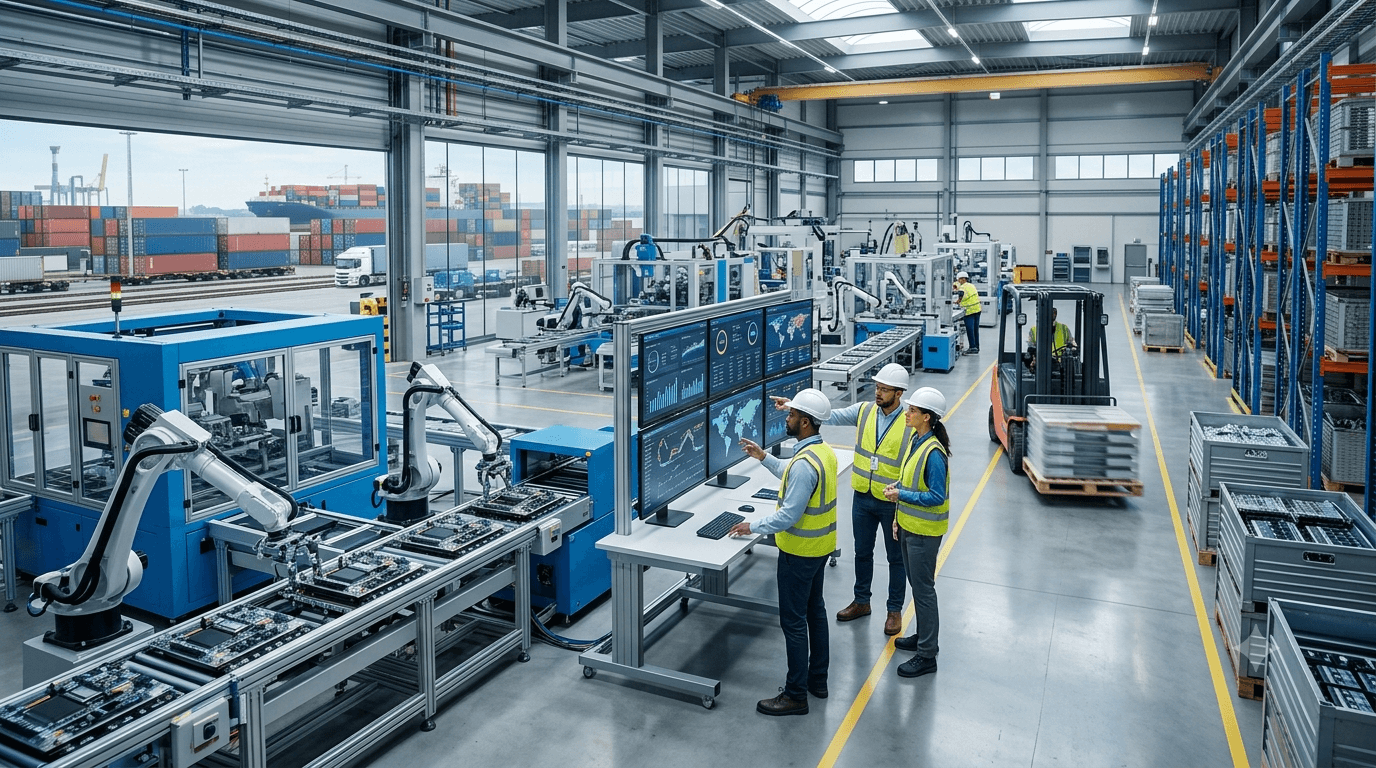
Automation, robotics, artificial intelligence, predictive maintenance, and real-time production monitoring now play central roles in improving operational performance.
These technologies help manufacturers:
- Reduce waste
- Increase productivity
- Improve quality control
- Minimize equipment downtime
- Optimize inventory
- Support better decision-making
Digital transformation allows businesses to manage larger operations without significantly increasing complexity.
Companies combining advanced technology with strategic production locations position themselves for long-term success.
Reducing Risk Through Better Planning
Modern manufacturing strategies emphasize risk management alongside efficiency.
Instead of depending on one production facility or one supplier, businesses diversify operations to create greater resilience.
They develop contingency plans, strengthen supplier relationships, monitor operational data continuously, and evaluate alternative sourcing options.
These proactive measures reduce the likelihood that unexpected disruptions will interrupt production or delay customer deliveries.
Companies that prepare for uncertainty recover faster when challenges arise.
Strategic Locations Support Business Growth
Expansion becomes easier when manufacturing operations are positioned in locations that support future growth.
Businesses planning long-term success evaluate whether production facilities can accommodate:
- Increased production volumes
- Additional product lines
- Workforce expansion
- Technology upgrades
- Supplier growth
- Market expansion
Strategic manufacturing locations provide the flexibility needed to scale operations without unnecessary complexity.
Rather than repeatedly restructuring production systems, businesses can grow using a stable operational foundation.
The Competitive Advantage of Regional Manufacturing
Many organizations are adopting regional manufacturing strategies that place production closer to major customer markets.
This approach offers several important advantages, including:
- Faster shipping
- Lower logistics costs
- Improved communication
- Better production visibility
- Enhanced customer service
- Greater supply chain resilience
These benefits help businesses remain competitive while improving overall operational efficiency.
For organizations serving North American customers, Manufacturing in Mexico provides a practical solution that combines competitive production costs with geographic proximity and established manufacturing expertise.
Sustainability Is Becoming a Business Requirement
Environmental responsibility is increasingly influencing manufacturing decisions.
Businesses are investing in cleaner technologies, reducing waste, improving energy efficiency, and optimizing transportation networks.
These initiatives not only reduce environmental impact but also improve operational efficiency and strengthen brand reputation.
Customers, investors, and business partners increasingly value manufacturers committed to responsible production practices.
Sustainability has become an important element of long-term manufacturing strategy rather than simply a regulatory obligation.
Final Thoughts
The way companies approach manufacturing has changed dramatically. Businesses are no longer choosing production locations based solely on cost. Instead, they evaluate how each decision affects supply chain resilience, customer satisfaction, operational efficiency, long-term growth, and overall competitiveness.
Organizations that rethink where they build their products position themselves to respond more effectively to changing market conditions while reducing operational risk. Strategic manufacturing decisions create stronger businesses capable of adapting to future challenges without sacrificing quality or profitability.
As global industries continue evolving, Manufacturing in Mexico has emerged as an increasingly valuable option for businesses seeking skilled talent, efficient logistics, reliable infrastructure, and closer access to North American markets. Companies that embrace strategic production planning today will be better prepared to achieve sustainable growth and maintain a competitive advantage for years to come.