
10 Ancient and Popular Temples in India to Visit in 2026

Written By
Admin
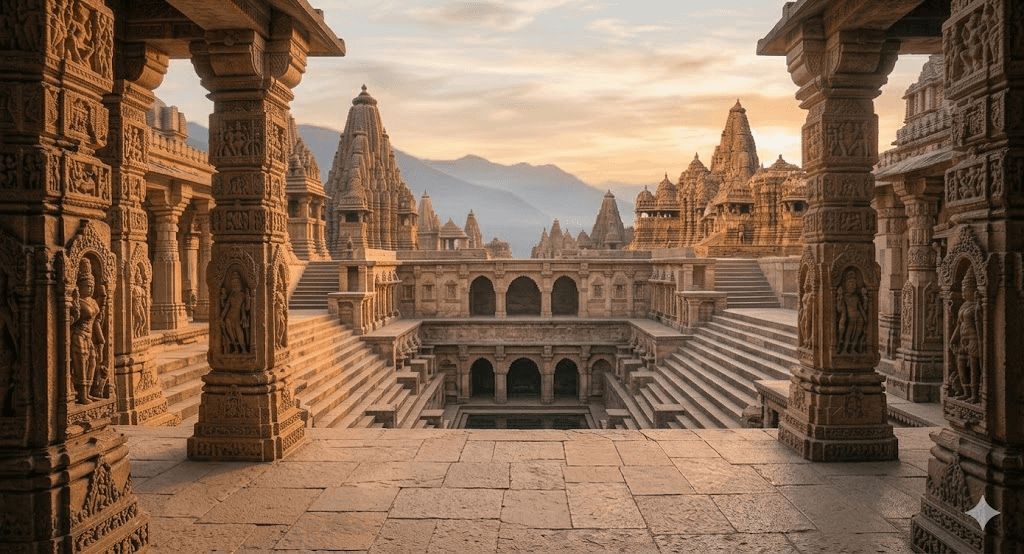
India in 2026 continues to be one of the most powerful spiritual destinations in the world. With improved tourism facilities, better connectivity, digital booking systems, smart crowd management, and upgraded pilgrimage infrastructure, traveling to ancient temples has become more organized and accessible than ever before.
But India is not just a country of temples, it is a civilization where temples shape identity, culture, festivals, and daily routines. From Himalayan shrines covered in snow to coastal sanctuaries facing the sea, every temple reflects devotion, architecture, mythology, and centuries of continuous worship.
This guide explores 10 ancient and popular temples in India, along with their historical importance, travel experience, cultural impact, and modern-day relevance.
1. Varanasi – Kashi Vishwanath Temple
Varanasi is one of the oldest continuously inhabited cities in the world. The Kashi Vishwanath Temple, dedicated to Lord Shiva, is considered one of the holiest Jyotirlingas.
Key Highlights:
- One of the 12 Jyotirlingas of Lord Shiva
- Believed to grant moksha (liberation from cycle of rebirth)
- Located near the sacred River Ganga
- Deep connection with ancient Hindu scriptures
Travel Insight:
In 2026, the Kashi Vishwanath Corridor has transformed the temple experience with smoother movement, better queues, and improved cleanliness.
Cultural Impact:
Daily rituals, chanting, and Ganga Aarti create an atmosphere that blends spirituality with living tradition.
2. Madurai – Meenakshi Amman Temple
The Meenakshi Amman Temple is one of the finest examples of Dravidian architecture and Tamil cultural pride.
Key Highlights:
- Massive, colorful gopuram towers
- Thousand-pillared hall with artistic sculptures
- Dedicated to Goddess Meenakshi and Lord Sundareswarar
- Center of Madurai’s cultural identity
Travel Insight:
Digital guides and audio tours now help visitors understand mythology and architecture more deeply.
Cultural Impact:
The temple hosts grand festivals that bring together millions of devotees and strengthen community bonds.
3. Tirupati – Sri Venkateswara Temple
Tirupati Balaji Temple is among the richest and most visited pilgrimage sites in the world.
Key Highlights:
- Located on Tirumala hills in Andhra Pradesh
- Dedicated to Lord Vishnu (Venkateswara)
- Millions of devotees annually
- Highly organized darshan system
Travel Insight:
Online booking, QR tokens, and queue management systems have made pilgrimages more structured in 2026.
Cultural Impact:
Donations and rituals support education, healthcare, and charitable activities across India.
4. Puri – Jagannath Temple
The Jagannath Temple in Odisha is one of the Char Dham pilgrimage sites and a major cultural landmark.
Key Highlights:
- Dedicated to Lord Jagannath (form of Krishna)
- Famous Rath Yatra festival
- Wooden idol tradition
- Ancient temple customs still followed
Travel Insight:
Tourism boards now offer guided experiences explaining rituals, history, and temple rules.
Cultural Impact:
The Rath Yatra connects millions of devotees in one of the world’s largest religious gatherings.
5. Rameswaram – Ramanathaswamy Temple
This temple is deeply connected with the Ramayana and Lord Rama’s journey to Lanka.
Key Highlights:
- One of the Char Dham temples
- Longest temple corridors in India
- Sacred water tanks (theerthams)
- Strong mythological importance
Travel Insight:
Better rail and road connectivity has made southern pilgrimage routes more accessible.
Cultural Impact:
Pilgrims perform rituals that are believed to cleanse sins and bring spiritual balance.
6. Somnath – Somnath Temple
Somnath Temple stands as a symbol of resilience, having been rebuilt multiple times in history.
Key Highlights:
- One of the 12 Jyotirlingas
- Located on Gujarat’s coastline
- Strong mythological and historical significance
- Reconstructed with modern architecture
Travel Insight:
Enhanced lighting, coastal development, and museum exhibits enrich visitor experience.
Cultural Impact:
It represents faith that survives destruction and time.
7. Dwarka – Dwarkadhish Temple
Dwarka is associated with Lord Krishna and is one of the most sacred ancient cities.
Key Highlights:
- The ancient kingdom of Krishna
- Part of Char Dham Yatra
- Coastal temple location
- Mentioned in the Mahabharata
Travel Insight:
Nearby archaeological sites and marine discoveries attract history enthusiasts.
Cultural Impact:
Festivals like Janmashtami turn Dwarka into a global spiritual hub.
8. Badrinath – Badrinath Temple
Located in the Himalayas, Badrinath is a sacred Vishnu temple surrounded by breathtaking natural beauty.
Key Highlights:
- Part of Char Dham pilgrimage
- Located at high altitude in Uttarakhand
- Seasonal accessibility due to snowfall
- Surrounded by snow-covered peaks
Travel Insight:
Helicopter services and improved trekking routes have made access safer and faster in 2026.
Cultural Impact:
Pilgrims believe visiting Badrinath purifies the soul and brings divine blessings.
9. Khajuraho – Kandariya Mahadeva Temple
Khajuraho is globally famous for its artistic temples and detailed stone carvings.
Key Highlights:
- UNESCO World Heritage Site
- Intricate symbolic sculptures
- Nagara-style architecture
- Blend of spirituality and art
Travel Insight:
Light and sound shows now provide immersive storytelling of temple history.
Cultural Impact:
It reflects ancient India’s openness toward art, philosophy, and human expression.
10. Hampi – Virupaksha Temple
Hampi is a UNESCO World Heritage Site and home to the ancient Virupaksha Temple.
Key Highlights:
- Vijayanagara Empire heritage
- Still active place of worship
- Surrounded by ancient ruins
- Stone-carved architecture
Travel Insight:
Heritage walks and guided tours help travelers understand historical context deeply.
Cultural Impact:
Hampi connects modern visitors to India’s glorious imperial past.
Hidden Value of These Temples in Modern India
Beyond religion, these temples play a much larger role:
- They preserve ancient Indian knowledge systems
- They support millions of local jobs
- They drive tourism-based economies
- They maintain traditional art forms like sculpture, dance, and music
- They act as centers of social unity and festivals
In many ways, temples are not just spiritual places, they are living institutions of Indian civilization.
Conclusion: Why These 10 Temples Still Matter in 2026?
These 10 ancient and popular Hindu temples are not just sacred structures, they are living symbols of India’s identity, continuity, and cultural depth. They connect mythology with modern life, tradition with tourism, and devotion with everyday experience.
In 2026, temple travel is more accessible than ever, but the essence remains unchanged: peace, reflection, and spiritual connection.
India’s temples remind us of something timeless. Faith is not just something you follow, it is something you experience.