How All Electric Machines Improve Quality Control in Manufacturing

Written By
Admin
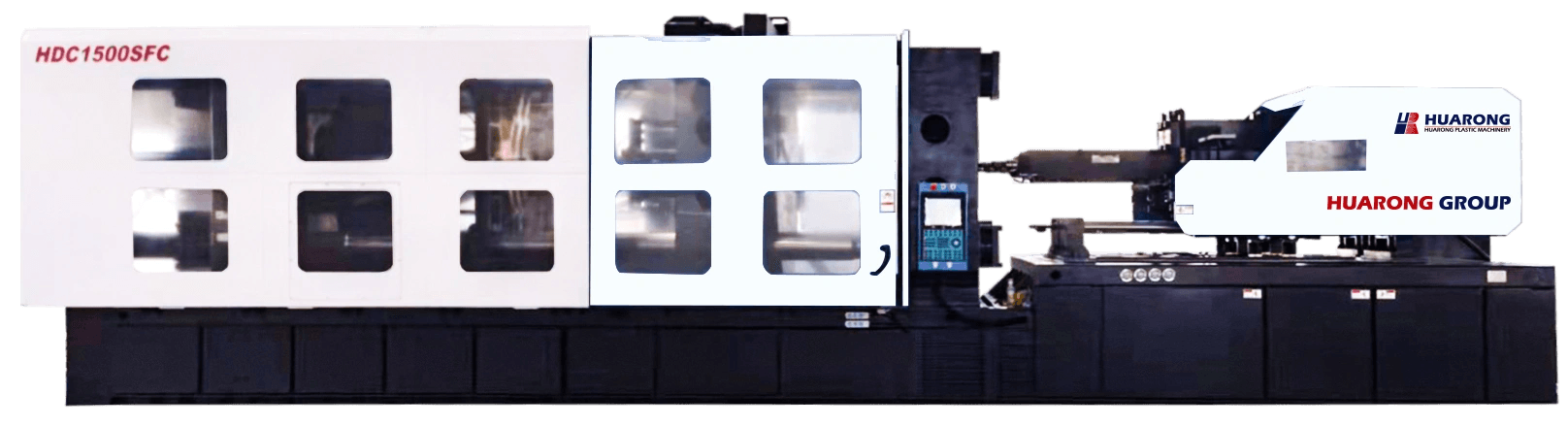
Quality control defines the success or failure of modern manufacturing. In industries such as automotive, electronics, medical devices, and aerospace, even the smallest variation can lead to product rejection, financial loss, or safety risks. Manufacturers today demand precision, repeatability, and process stability at every production stage. This is where all electric injection molding machines are transforming the landscape.
Unlike traditional hydraulic systems, all electric machines operate using servo-driven motors that control every movement with exceptional accuracy. The result? Better repeatability, tighter tolerances, lower defect rates, and improved process monitoring. But how exactly do they enhance quality control? And why are more manufacturers switching to electric technology?
Let’s explore in detail.
1. Understanding the Shift from Hydraulic to All Electric Machines
Traditional hydraulic injection molding machines rely on oil-driven systems to power clamping, injection, and ejection movements. While effective, hydraulic systems can experience pressure fluctuations, oil temperature variations, and inconsistent motion control.
In contrast, all electric injection molding machines use independent servo motors for each function. This allows precise digital control over:
- Injection speed
- Holding pressure
- Clamping force
- Screw rotation
- Ejection timing
This direct control dramatically reduces variability, which is the foundation of improved quality control.
2. Precision Control: The Core of Quality Improvement
2.1 Micron-Level Position Accuracy
All electric machines provide exceptional positional accuracy because servo motors move with programmed precision. Manufacturers can achieve repeatability within microns, ensuring that every molded part matches the intended specifications.
This is critical for:
- Medical components
- Electronic connectors
- Micro-molded parts
- Tight tolerance assemblies
Even minor deviations in injection speed or pressure can cause flash, sink marks, short shots, or warpage. Electric machines eliminate these inconsistencies.
2.2 Consistent Injection Speed and Pressure
Hydraulic systems may suffer from pressure drops or oil temperature changes, affecting shot consistency. Electric systems maintain stable torque output, ensuring:
- Uniform melt flow
- Consistent cavity filling
- Reduced internal stress
This stability directly improves part quality and reduces scrap rates.
3. Better Process Monitoring and Data Accuracy
Quality control today depends heavily on data. Modern manufacturers rely on real-time monitoring and digital records to ensure compliance and traceability.
All electric machines offer:
- Precise shot-to-shot data recording
- Digital parameter storage
- Automated alarm systems
- Predictive maintenance alerts
Because servo-driven systems operate digitally, they provide cleaner and more accurate data compared to hydraulic systems.
This helps quality engineers:
- Detect deviations early
- Maintain Statistical Process Control (SPC)
- Improve audit readiness
- Ensure regulatory compliance
In industries like medical or automotive manufacturing, this level of documentation is essential.
4. Reduction in Defects and Scrap Rate
4.1 Common Manufacturing Defects Reduced
All electric machines significantly reduce:
- Flash defects
- Short shots
- Burn marks
- Warpage
- Sink marks
Why? Because the machine precisely controls injection timing and clamping force.
4.2 Calculation Example: Scrap Reduction Impact
Let’s assume:
- A factory produces 100,000 parts per month
- Hydraulic machine scrap rate: 5%
- Electric machine scrap rate: 2%
- Cost per part: $2
Hydraulic scrap loss:
100,000 × 5% = 5,000 defective parts
5,000 × $2 = $10,000 loss
Electric scrap loss:
100,000 × 2% = 2,000 defective parts
2,000 × $2 = $4,000 loss
Monthly savings:
$10,000 – $4,000 = $6,000
Annual savings:
$6,000 × 12 = $72,000
This direct improvement in quality control translates into measurable financial gain.
5. Energy Efficiency and Thermal Stability
Hydraulic machines generate heat due to constant oil circulation. Temperature fluctuations can affect:
- Material viscosity
- Mold cooling consistency
- Part shrinkage behavior
All electric machines operate without hydraulic oil, reducing heat generation and maintaining stable processing conditions.
Stable temperature equals stable part quality.
Additionally, electric machines consume energy only when movement occurs. This improves operational efficiency while maintaining consistent molding performance.
6. Cleaner Production Environment
In industries such as medical and electronics, contamination risks must be minimized. Hydraulic oil leakage can compromise product quality.
All electric injection molding machines eliminate:
- Oil contamination risks
- Fluid maintenance issues
- Environmental hazards
A cleaner machine environment ensures higher compliance standards and improved overall quality assurance.
7. Improved Repeatability for High-Volume Production
Consistency across thousands or millions of parts defines manufacturing excellence. Electric systems maintain uniform performance even during long production cycles.
Key benefits include:
- Shot-to-shot repeatability
- Reduced machine drift
- Stable clamping force distribution
- Precise multi-cavity balancing
This ensures predictable production outcomes — an essential requirement for global supply chains.
8. Faster Response and Cycle Optimization
Electric machines respond instantly to control signals. This enables:
- Faster injection acceleration
- Shorter cycle times
- Reduced holding pressure variation
- Improved part surface finish
When cycles become more consistent, quality deviations reduce significantly.
Even a 1-second reduction per cycle can dramatically improve productivity.
9. Advanced Automation Integration
All electric machines integrate easily with:
- Robotics
- Vision inspection systems
- Mould inspection vision camera technology
- Smart factory systems
This enhances inline quality inspection and defect detection.
When machines communicate with automated inspection systems, manufacturers can identify defects in real time and prevent large-scale production losses.
FAQ Section
Q1: Are all electric machines better for precision molding?
Yes. They offer superior control over injection speed, position, and clamping force, making them ideal for high-precision applications.
Q2: Do electric machines reduce scrap rates?
Absolutely. Their stable and repeatable performance significantly lowers defect rates compared to hydraulic systems.
Q3: Are they suitable for medical manufacturing?
Yes. Oil-free operation and clean processing make them ideal for medical and electronic applications.
Q4: Is the investment cost higher?
Initial costs may be higher, but reduced scrap, energy savings, and maintenance expenses deliver strong long-term ROI.
Q5: Can they support Industry 4.0 environments?
Yes. Their digital control systems integrate easily with smart manufacturing platforms.
Conclusion
All electric injection molding machines are redefining quality control in modern manufacturing. By delivering superior precision, stable process control, reduced defects, and enhanced digital monitoring, they create a production environment where consistency becomes the norm rather than the exception.
In a world where customers demand flawless products and regulatory standards grow stricter each year, investing in electric technology is no longer optional — it is strategic. Manufacturers seeking higher efficiency, better repeatability, and long-term cost savings are turning to advanced solutions from Paheej Machinery, where innovation in all electric injection molding machines supports stronger quality control systems and long-term manufacturing excellence.