
The Role of India in the Global Ceramic Tile Industry

Written By
Admin
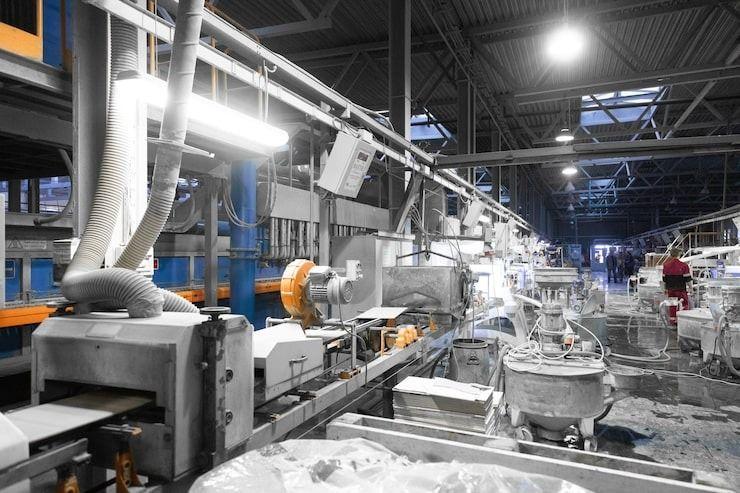
India has emerged as one of the most influential players in the global ceramic tile industry, driven by advanced manufacturing capabilities, continuous product innovation, and a strong export ecosystem. Today, Indian ceramic tiles are widely used in residential, commercial, hospitality, healthcare, and infrastructure projects across numerous countries. The industry's ability to produce high-quality products while adapting to changing international trends has strengthened India's position in the global marketplace.
This article explores the role of India in the global ceramic tile industry, the factors behind its growth, the opportunities driving future expansion, and why Indian manufacturers continue to gain recognition among international buyers.
What Is India's Role in the Global Ceramic Tile Industry?
India plays a significant role in supplying ceramic and vitrified tiles to international markets while supporting the growing demand for modern construction materials. As a trusted tiles exporter from India, the country has strengthened its global presence through advanced manufacturing capabilities, a skilled workforce, technological innovations, and an efficient supply chain.
Today, Indian manufacturers produce a wide variety of tiles suitable for residential, commercial, industrial, and architectural applications, serving customers across multiple continents.
Why Has India Become a Leading Manufacturing Destination?
Several factors have contributed to India's rapid growth in the ceramic tile sector.
Modern Manufacturing Facilities
Manufacturers have invested in automated production lines, digital technologies, and efficient machinery to improve productivity while maintaining consistent quality.
Skilled Workforce
Experienced engineers, technicians, designers, and production teams contribute to efficient manufacturing processes and continuous product improvement.
Rich Raw Material Resources
The availability of quality raw materials supports uninterrupted production while maintaining product consistency.
Continuous Innovation
Manufacturers regularly introduce new collections, finishes, and formats to meet changing architectural and interior design trends.
Together, these strengths have helped India build a strong reputation in international markets.
How Has Technology Strengthened the Industry?
Technology has become a major contributor to India's manufacturing success.
Automated Production Systems
Automation improves manufacturing efficiency, reduces production errors, and ensures consistent quality across large production volumes.
Digital Printing Technology
Advanced printing systems create highly realistic marble, wood, stone, terrazzo, and concrete-inspired designs that appeal to global customers.
Precision Quality Control
Manufacturers use advanced inspection equipment to monitor tile dimensions, surface finishes, strength, and overall product consistency throughout production.
Sustainable Manufacturing Practices
Many production facilities continue investing in energy-efficient equipment, water recycling systems, and environmentally responsible manufacturing methods.
How Does Product Innovation Support Industry Growth?
Innovation allows manufacturers to meet changing customer expectations while expanding their product offerings.
Popular product developments include:
- Large-format tiles
- Marble-inspired collections
- Stone-look surfaces
- Wood-effect finishes
- Decorative wall tiles
- Outdoor paving solutions
- Matte and textured finishes
- High-performance vitrified tiles
Continuous innovation enables manufacturers to remain competitive in international markets.
How Does Export Infrastructure Support Global Trade?
India's export network has become an important strength of the ceramic tile industry.
Manufacturers benefit from:
- Modern transportation systems
- Well-connected ports
- Efficient logistics management
- Professional export documentation
- Reliable global shipping networks
These capabilities help businesses maintain dependable delivery schedules while serving customers across international markets.
Why Do International Buyers Prefer Indian Tiles?
Global customers continue choosing Indian ceramic tiles because they combine quality, variety, and value.
Key advantages include:
- Consistent manufacturing quality
- Modern designs
- Broad product selection
- Competitive pricing
- Reliable supply capacity
- Efficient export operations
- Long-term durability
These strengths have helped Indian manufacturers establish long-lasting business relationships with distributors, wholesalers, architects, and developers worldwide.
How Does the Industry Contribute to Economic Growth?
The ceramic tile industry contributes significantly to industrial development by supporting manufacturing, employment, exports, logistics, and related sectors.
The industry's growth creates opportunities for:
- Manufacturing professionals
- Designers
- Engineers
- Export specialists
- Logistics providers
- Raw material suppliers
- Equipment manufacturers
This broad economic impact strengthens India's industrial ecosystem while supporting continued expansion.
What Challenges Does the Industry Face?
Despite its strong growth, the industry continues to address several challenges.
- Rising Global Competition: Manufacturers continuously improve efficiency and product innovation to remain competitive.
- Changing Customer Expectations: International buyers increasingly demand sustainable manufacturing, premium designs, and higher product performance.
- Supply Chain Management: Efficient logistics and inventory planning remain essential for maintaining reliable deliveries.
Addressing these challenges encourages continuous improvement across the industry.
What Opportunities Will Shape the Future?
Several trends are expected to support continued industry growth.
Urban Development: Growing cities continue creating demand for ceramic tiles in residential and commercial construction.
Sustainable Construction: Environmentally responsible manufacturing and green building practices are becoming increasingly important.
Infrastructure Expansion: Governments continue investing in transportation, healthcare, education, and public infrastructure projects.
Digital Manufacturing: Smart factories, automation, and AI-assisted quality inspection will further improve manufacturing efficiency and product consistency.
These opportunities position the industry for long-term growth.
Conclusion
India has established itself as a key contributor to the global ceramic tile industry through continuous innovation, advanced manufacturing technologies, skilled professionals, and a strong commitment to quality. Its ability to produce diverse ceramic and vitrified tile collections while meeting international standards has strengthened its reputation among buyers across residential, commercial, hospitality, and infrastructure sectors. As construction activity and design expectations continue to evolve, India's ceramic tile industry is well-positioned for sustained global growth.
Creanza reflects the strengths of India's tile manufacturing sector by offering premium ceramic and vitrified tiles that combine contemporary designs, reliable performance, and advanced production standards. As a vitrified tiles manufacturer in India, the company continues to invest in innovation, strict quality practices, and a customer-focused approach to support global markets with tile solutions designed to meet the demands of modern construction and interior design projects.