
Why Professional Dental Care Protects Your Whole Body

Written By
Admin
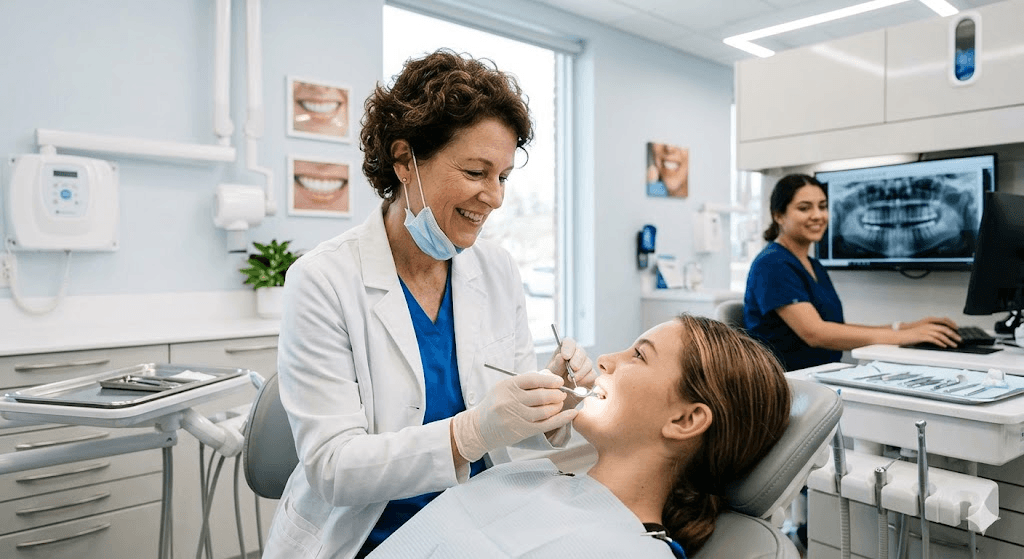
Most people think dental care is just about keeping their teeth clean and their smile bright. You brush twice a day, maybe floss when you remember, and assume you are doing enough. But your mouth is actually the gateway to your entire body. What happens in your mouth affects far more than your smile.
Professional dental care goes far beyond removing surface stains and freshening your breath. It plays a direct role in protecting your heart, managing chronic conditions like diabetes, and even supporting your immune system. When you skip regular dental visits, you are not just risking a few cavities. You are leaving your overall health exposed to unnecessary risks.
At EverSmile Dental Associates, we believe professional dental care is one of the most practical investments you can make in your long-term well-being. Here is exactly how routine visits make a lasting difference for your body and your mind.
What Is Professional Dental Care?
Professional dental care includes everything your dental team provides during a routine visit. These services go well beyond what you can achieve at home with a toothbrush and dental floss. A standard appointment covers a thorough teeth cleaning, a comprehensive exam, a gum health evaluation, and a vital oral cancer screening. Your dentist checks for early cavities, microscopic cracks, and any developing issues you would have no way of spotting yourself.
The key difference between home care and professional care comes down to what your daily tools can actually accomplish. Daily brushing removes soft plaque, the sticky film of bacteria that constantly forms on your teeth. However, any plaque that gets missed hardens into tartar within 24 to 72 hours. Once tartar forms, only professional instruments can remove it safely. No amount of aggressive brushing will clear tartar on its own, and trying to do so can actually damage your enamel.
The Connection Between Oral Health and Overall Health
Your mouth and your body are more intimately connected than most people realize. The bacteria that live in your mouth do not simply stay there. They can enter your bloodstream through inflamed or bleeding gums and travel to other parts of your body.
When oral bacteria enter the bloodstream, it triggers inflammation throughout your entire system. Chronic inflammation is a known driver of serious systemic conditions, including heart disease, stroke, and diabetes.
Research has found strong associations between poor oral health and several severe health issues:
- Cardiovascular disease
- Type 2 diabetes
- Respiratory infections
- Adverse pregnancy outcomes
This is not about overstating the link between a cavity and a heart attack. It is about understanding that oral hygiene and systemic health are genuinely connected. Caring for your mouth is a real, practical way to protect your vital organs.
Key Benefits of Professional Dental Care
Routine dental visits offer a wide range of benefits that keep your body functioning at its best. Here are the top ways professional care supports you.
1. Prevents Gum Disease and Tooth Decay
Gum disease begins when plaque builds up along the gumline and irritates the surrounding tissue. Early-stage gum disease, known as gingivitis, causes redness, swelling, and bleeding when you brush. Fortunately, gingivitis is fully reversible when caught in time and treated properly.
Left untreated, gingivitis progresses to periodontitis. At this stage, bacteria begin damaging the underlying bone and tissue that hold your teeth firmly in place. Treatment becomes far more complex, and the resulting damage can be permanent. Regular professional cleanings remove that harmful buildup before it causes lasting harm. The same principle applies to cavities. Catching decay early means a simple filling rather than an invasive root canal or a painful extraction.
2. Reduces Risk of Serious Health Conditions
Keeping your gums healthy reduces the bacterial load in your body and lowers systemic inflammation. Studies show clear associations between gum disease and heart disease, stroke, and difficulty controlling blood sugar in diabetic patients. Respiratory infections can even occur when you inhale specific oral bacteria into your lungs.
Treating gum disease has been shown to support better blood sugar management in people with type 2 diabetes. While good oral hygiene is not a substitute for medical treatment, it remains a highly meaningful part of looking after your overall health.
3. Enables Early Detection of Health Issues
Every visit to our Goldsboro office includes a full exam. We check for things you would have no way of catching yourself, including early cavities, gum recession, cracked enamel, and signs of oral cancer.
Oral cancer caught early is significantly more treatable. The same holds true for most dental problems. Earlier detection almost always means less invasive and less expensive treatment. Think of your routine dental visit as a small, easy commitment that protects you from much bigger, more painful problems down the road.
4. Supports Your Immune System
When your mouth carries a high bacterial load from untreated gum disease or active decay, your immune system is constantly working to manage that localized infection. That ongoing demand takes a heavy toll on your body's ability to respond to other threats and illnesses.
Regular dental checkups reduce that bacterial load significantly. Less chronic inflammation means your immune system can rest and focus its energy where it is actually needed, keeping you healthier year-round.
5. Promotes Better Digestion and Nutrition
Healthy teeth allow you to chew your food properly, and proper chewing is the very first step in the digestive process. When teeth are damaged, missing, or painful, people naturally start avoiding certain tough or crunchy foods. This behavior can lead to real nutritional gaps over time, as fresh fruits, vegetables, and proteins become difficult to eat. Keeping your teeth in excellent condition supports better eating habits and better nutrient absorption.
6. Boosts Confidence and Mental Well-Being
A clean, healthy smile dramatically affects how you feel about yourself. Patients consistently feel more confident after a professional cleaning. They feel more comfortable smiling, speaking, and engaging with the people around them. The connection between oral health and mental well-being is highly documented, and it is something we see in our patients every single day.
How Often Should You Visit a Dentist?
For most healthy adults, visiting the dentist every six months is the standard recommendation. That frequency gives our dental team enough opportunity to catch problems early and keep dangerous buildup from getting ahead of your daily home care routine.
However, some patients absolutely benefit from more frequent visits. You may need to see us more often if you:
- Have a history of gum disease
- Get cavities regularly despite good home brushing habits
- Smoke or use tobacco products
- Have diabetes or another condition that affects your immune response
- Are currently pregnant
Do not wait for pain before booking an appointment. Pain is usually the very last sign of a dental problem, not the first. If you notice bleeding gums, persistent bad breath, tooth sensitivity, or any swelling or tenderness, you should get checked out sooner rather than later. If you are unsure how often you should come in, we will happily give you a personalized recommendation based entirely on your unique health history.
Common Questions About Professional Dental Care
Does my oral health impact the rest of my body?Yes. Inflamed gums can allow harmful bacteria from your mouth to enter your bloodstream, contributing to serious conditions such as heart disease and diabetes. A healthy mouth is a core component of a healthy body.
What does a professional cleaning look like?Your hygienist carefully scrapes away plaque and tartar, polishes your teeth to remove surface stains, and screens your overall gum health. Your dentist then performs a comprehensive examination that includes a life-saving oral cancer screening. Most routine visits last between 45 and 60 minutes.
How often do I need to see a dentist if I feel fine?The average recommendation for most people is every six months. If you have active gum disease, diabetes, or other specific risk factors, you may need to come in more frequently to maintain your health. We will always give you a treatment recommendation tailored to your specific situation.
Does a dental cleaning help with bad breath?Yes. Persistent bad breath is most often due to bacteria, lingering plaque, or early-stage gum disease. A professional cleaning clears away the bacteria causing the odor.
What if I have not visited the dentist in a long while?You can come back anytime, and it is never too late to take control of your health. We will look at where things currently stand, address any pressing issues, and work together to create a simple plan moving forward. We offer zero judgment, just high-quality care.
Protect Your Smile and Your Health
Your oral health and your overall health are connected in ways that demand regular attention. Professional dental care is not just about keeping your teeth clean for photos. It is about protecting your heart, managing chronic conditions, catching problems early, and supporting your body from the inside out.
At EverSmile Dental Associates in Goldsboro, NC, Dr. Khushbu Patel and our dedicated team provide personalized, gentle care for patients of all ages. Whether you are coming in for a routine cleaning or finally addressing an issue that has been on your mind for months, we are here for you every step of the way.
Book your appointment with EverSmile Dental Associates today and take the first critical step toward a healthier smile and a much healthier you.