
How to Select the Right Porcelain Tile Format for Different Room Sizes

Written By
Admin
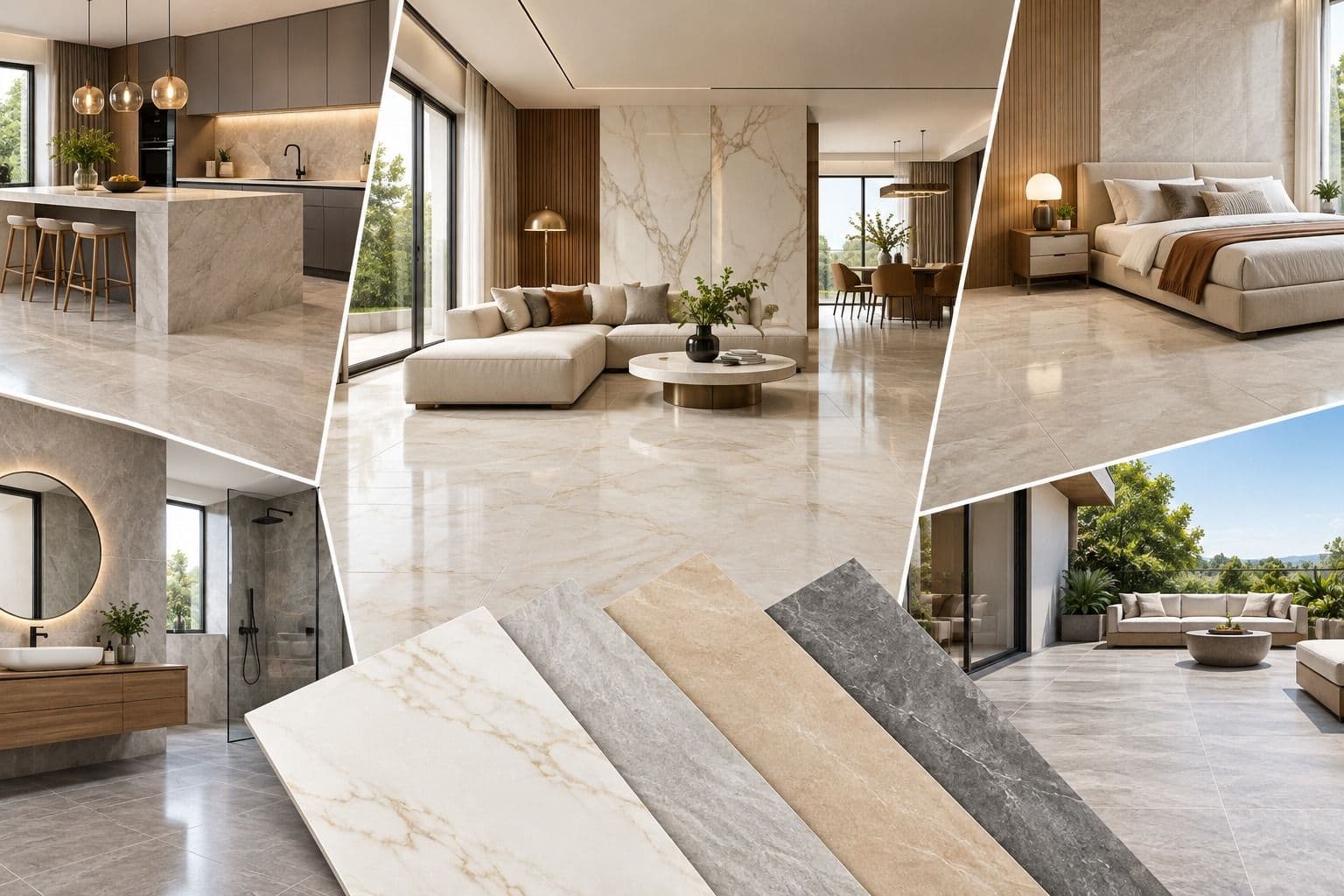
Choosing the right porcelain tile format can transform the appearance of any room. Tile dimensions influence visual balance, grout lines, installation requirements, and the overall interior design. Large-format tiles create a more continuous look, while smaller tiles add detail and flexibility. To choose the best option, consider room dimensions, layout, lighting, intended use, and the style you want to achieve.
Whether you are designing a compact bathroom, a medium-sized bedroom, or a spacious living room, selecting the appropriate porcelain tile format helps create a balanced and attractive interior.
What is a Porcelain Tile Format?
A porcelain tile format refers to its dimensions and shape. Common options include square tiles, rectangular tiles, and large-format slabs. Each format creates a different visual effect.
Typical formats include:
- Small format: Approximately 300 × 300 mm or smaller.
- Medium format: 600 × 600 mm or 300 × 600 mm.
- Large format: 600 × 1200 mm or 800 × 1600 mm.
- Extra-large slabs: Formats such as 1200 × 2400 mm or larger, depending on availability.
These categories are general guidelines. The best choice depends on the room, product specifications, and installation requirements.
How Does Room Size Affect Tile Selection?
Room dimensions influence how tiles look after installation. Large tiles can reduce grout lines and create visual continuity, while smaller tiles can accommodate detailed layouts and complex areas.
The right format can help you:
- Create a balanced appearance.
- Reduce unnecessary grout lines.
- Minimize awkward cuts around walls and corners.
- Coordinate flooring with furniture and wall finishes.
- Improve visual continuity between connected spaces.
Room size is not the only deciding factor. A small room can accommodate large-format tiles when the installer plans the layout carefully.
How to Choose Porcelain Tile Formats for Different Rooms
1. Small Rooms
Small bathrooms, narrow bedrooms, and utility areas benefit from thoughtful tile planning. Excessive patterns and contrasting grout lines can make a compact space look visually busy.
Formats such as 300 × 600 mm, 600 × 600 mm, and 600 × 1200 mm may work well, depending on the room layout. Light colours and subtle patterns can support a more open appearance.
Rectangular tiles installed along the room's length may emphasize its depth. However, check how tile dimensions align with doorways, fixtures, and corners before choosing a format. For shower floors, smaller tiles may accommodate slopes more easily. Always confirm slip resistance for wet areas.
2. Medium-Sized Rooms
Medium-sized kitchens, bedrooms, and living rooms offer flexibility in tile selection. A 600 × 600 mm format provides a balanced appearance, while 600 × 1200 mm tiles can create a contemporary look.
In kitchens, coordinate the floor with cabinets, islands, and adjoining spaces. In bedrooms, consider how the tiles align with the bed and wardrobes.
Request a sample layout before purchasing. This helps you assess proportions, grout placement, and the number of cuts required.
3. Large Living Rooms
Large living rooms and open-plan interiors often suit large-format porcelain tiles. Formats such as 800 × 1600 mm, 1200 × 1200 mm, and 600 × 1200 mm can create a more continuous surface with fewer grout joints.
The final effect depends on tile colour, pattern, lighting, and grout selection. Before installation, ensure the subfloor is sufficiently flat and that the installer has the right tools and experience to handle large tiles.
4. Bedrooms and Bathrooms
In spacious bedrooms, large rectangular tiles can create a consistent visual flow. Aligning the tiles with the room's longest dimension may help guide the eye and complement the furniture arrangement.
Bathrooms require additional attention to drainage and safety. Large-format tiles can work well on walls and suitable floors, but smaller tiles or mosaics may be more practical for sloped shower areas.
Before selecting bathroom tiles, check moisture suitability, slip resistance, cleaning requirements, and product specifications.
5. Outdoor Areas
Balconies, patios, and terraces require porcelain tiles designed for exterior conditions. Large formats can create a modern appearance, while smaller tiles may simplify installation around drains and irregular corners.
Check weather suitability, slip resistance, drainage, movement joints, and installation requirements. Not every porcelain tile is appropriate for outdoor use.
What Else Should You Consider Before Choosing a Tile Format?
Room Layout and Grout Lines
Measure the room, including doorways, columns, and alcoves. Plan the tile direction to avoid narrow cuts in prominent areas. Larger tiles generally reduce grout joints, while contrasting grout can emphasize the pattern.
Lighting and Finish
Natural and artificial lighting affect how tile colours and finishes appear. Glossy surfaces reflect more light, while matte finishes offer a softer visual effect. Review samples under the room's actual lighting conditions.
Installation and Budget
Large-format tiles may require careful handling, a level substrate, suitable adhesive, and experienced installation. Compare the combined cost of tiles, labour, cutting, wastage, and installation materials rather than considering tile price alone.
Frequently Asked Questions
1. Which porcelain tile format is best for a small room?
Medium or large formats can work well when the layout is planned carefully. Consider room proportions, fixtures, and the number of cuts required.
2. Do large-format tiles make a room look bigger?
They can create a more continuous appearance by reducing grout lines. Colour, lighting, pattern, and layout also influence the result.
3. What tile size works best for a living room?
Formats such as 600 × 1200 mm and 800 × 1600 mm may suit many living rooms. The best choice depends on room dimensions, design preferences, and installation conditions.
4. How much extra tile should I buy?
A 10% allowance is a common starting point for straightforward layouts. Complex patterns and numerous cuts may require more material.
5. Can I use the same tile format throughout my home?
Yes, if the products suit each area. However, bathrooms, shower floors, and outdoor spaces may require different formats or technical specifications.
Conclusion
Selecting the right porcelain tile format involves balancing room dimensions, design preferences, lighting, safety, and installation requirements. Medium formats offer flexibility, large tiles create visual continuity, and smaller formats can suit detailed layouts and sloped surfaces. Accurate measurements and material calculations help you plan your project more effectively.
Lioli Ceramica offers porcelain surface collections for contemporary residential and architectural projects. Explore its porcelain tiles and slabs to find designs that complement your room dimensions and interior style. Always review product specifications and consult an experienced installer before finalizing your selection.