
Natural and Nutritious Options for the Best Food for Fish

Written By
Admin
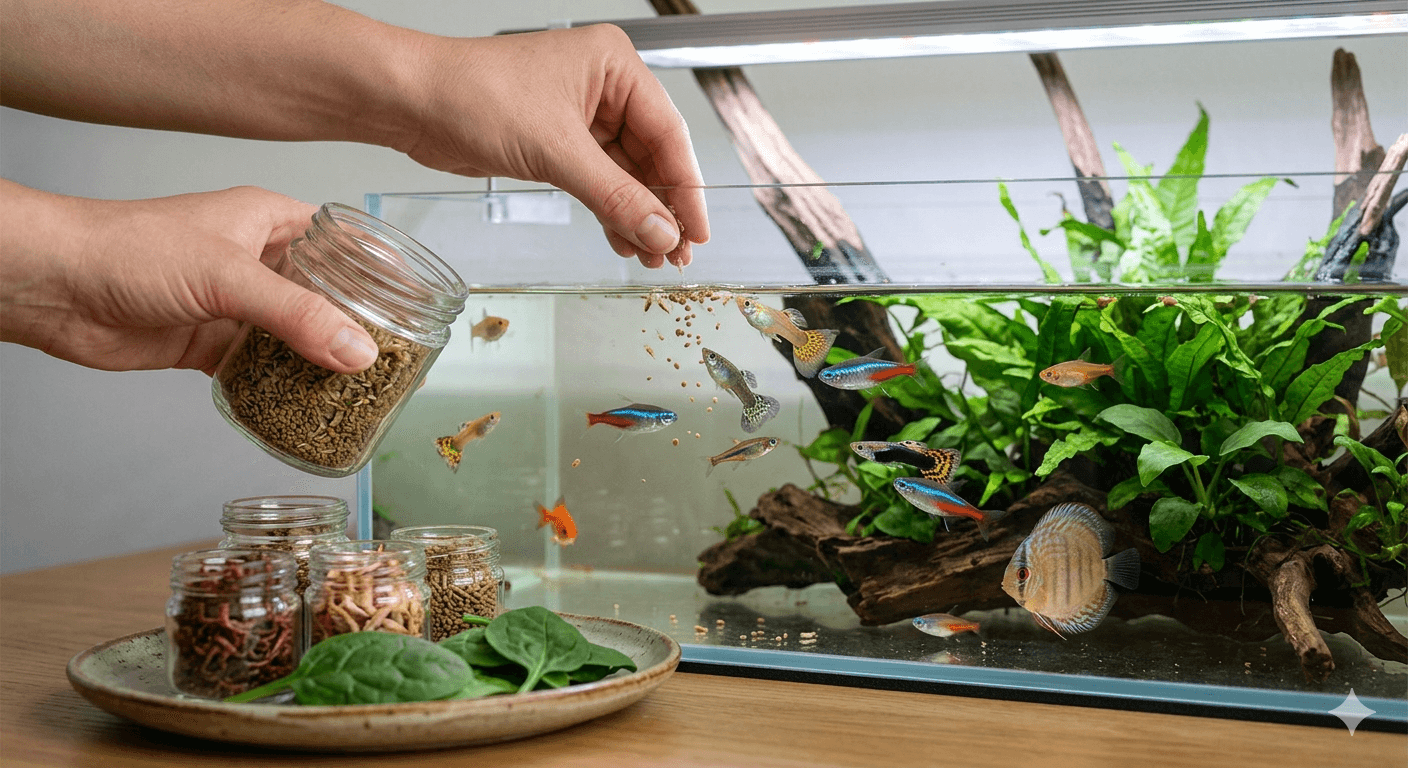
Proper nutrition is one of the most important factors in maintaining a healthy aquarium. Fish depend on a balanced diet to support growth, coloration, energy levels, and overall well-being. Whether you keep goldfish, bettas, tetras, guppies, cichlids, or tropical community fish, selecting the best food for fish can have a significant impact on their long-term health.
Many aquarium owners focus on water quality and tank maintenance, but nutrition deserves equal attention. The right food helps fish remain active, supports normal growth, and contributes to a healthier aquarium environment.
Understanding natural and nutritious feeding options can help you make better decisions when choosing food for your fish.
Why Nutrition Matters for Fish Health
Fish require a variety of nutrients to support essential body functions.
A balanced diet helps support:
- Healthy growth
- Strong immunity
- Energy production
- Color development
- Normal digestion
- Overall vitality
Poor nutrition may affect activity levels, body condition, and general health.
Providing quality Aquarium Fish Food helps ensure fish receive the nutrients needed to thrive in a home aquarium.
What Makes the Best Food for Fish?
The best food for fish provides balanced nutrition while matching the dietary needs of the species being kept.
Quality fish foods often contain:
- Protein sources
- Healthy fats
- Vitamins
- Minerals
- Natural ingredients
Different fish species have different nutritional requirements. Some fish are primarily herbivores, while others require more protein-rich diets.
Choosing food that matches natural feeding habits can help support better health.
Natural Ingredients Found in Quality Fish Food
Many high-quality products use natural ingredients that contribute valuable nutrients.
Fish and Marine Proteins
Fish meal and marine-based ingredients are common protein sources in quality diets.
Protein helps support:
- Muscle development
- Growth
- Tissue maintenance
Algae and Plant Ingredients
Many fish benefit from plant-based ingredients.
Common examples include:
- Spirulina
- Kelp
- Algae-based supplements
These ingredients are frequently used in Aquarium Fish Food designed for herbivorous and omnivorous species.
Vegetables
Some fish foods contain vegetable ingredients that provide fiber and nutrients.
Examples include:
- Peas
- Spinach
- Carrots
Natural Vitamins and Minerals
Balanced diets often include added vitamins and minerals to support overall wellness.
Natural ingredient blends help create more complete nutritional profiles.
Different Types of Aquarium Fish Food
Several food formats are available for aquarium fish.
Each type serves different feeding needs.
Flake Food
Flakes are popular because they are easy to use and suitable for many community fish species.
Pellets
Pellets are available in various sizes and often provide concentrated nutrition.
Many owners choose pellets as a primary feeding option.
Freeze-Dried Foods
Freeze-dried products can add variety to feeding routines.
These foods are commonly used as occasional supplements.
Specialty Diets
Species-specific formulas are available for fish with unique dietary requirements.
Selecting the appropriate Aquarium Fish Food depends on the fish species and feeding habits.
Benefits of High Quality Fish Food
Choosing high quality fish food offers several advantages.
Supports Healthy Growth
Balanced nutrition helps fish develop properly and maintain healthy body condition.
Enhances Natural Coloration
Many quality foods contain ingredients that support vibrant color development.
Supports Strong Immunity
Nutrient-rich diets help support normal immune system function.
Improves Feeding Efficiency
Fish often consume quality foods more effectively, which may help reduce waste.
Supports Long-Term Health
Consistent nutrition contributes to overall wellness throughout a fish's life.
Investing in high quality fish food can benefit both fish health and aquarium management.
Choosing the Best Fish Food for Different Species
Different species have different feeding requirements.
Goldfish
Goldfish often benefit from foods designed specifically for their digestive needs.
Bettas
Bettas generally require protein-rich diets.
Tropical Community Fish
Many tropical fish thrive on balanced flake or pellet foods.
Cichlids
Cichlid diets may vary depending on whether the species is herbivorous, omnivorous, or carnivorous.
Selecting the best fish food involves understanding the nutritional needs of the fish you keep.
Species-specific formulas often provide the most appropriate nutrition.
Common Fish Feeding Mistakes
Many aquarium owners unintentionally make feeding mistakes.
Overfeeding
Excess food can affect water quality and increase waste.
Using One Food for Every Species
Different fish often have different nutritional needs.
Ignoring Ingredient Quality
Not all foods provide the same nutritional value.
Feeding Inconsistently
Regular feeding schedules help support healthy routines.
Avoiding these mistakes can contribute to better aquarium management and healthier fish.
Upgrade Your Fish Feeding Routine with Better Nutrition
Choosing the best food for fish is one of the most effective ways to support healthy growth, strong immunity, and vibrant coloration. Look for Aquarium Fish Food made with natural ingredients, balanced nutrition, and species-appropriate formulas. Investing in high quality fish food can improve both fish health and overall aquarium success.
Review your current feeding routine and compare the ingredients in your existing products. Upgrading to the best fish food for your species can help create a healthier and more enjoyable aquarium for years to come.
Frequently Asked Questions
1. What is the best food for fish?
The best food for fish depends on the species, but balanced diets with quality proteins, vitamins, and minerals are generally recommended.
2. Why is high quality fish food important?
High quality fish food provides better nutrition, supports growth, promotes coloration, and contributes to long-term health.
3. What types of Aquarium Fish Food are available?
Common options include flakes, pellets, freeze-dried foods, and species-specific diets.
4. How often should aquarium fish be fed?
Feeding schedules vary by species, but most fish benefit from consistent daily feeding routines.
5. Can all fish eat the same food?
Different species often have unique dietary needs, so species-specific foods are usually the best choice.