
The Evolution of Sports Photography in the Age of AI

Written By
Admin
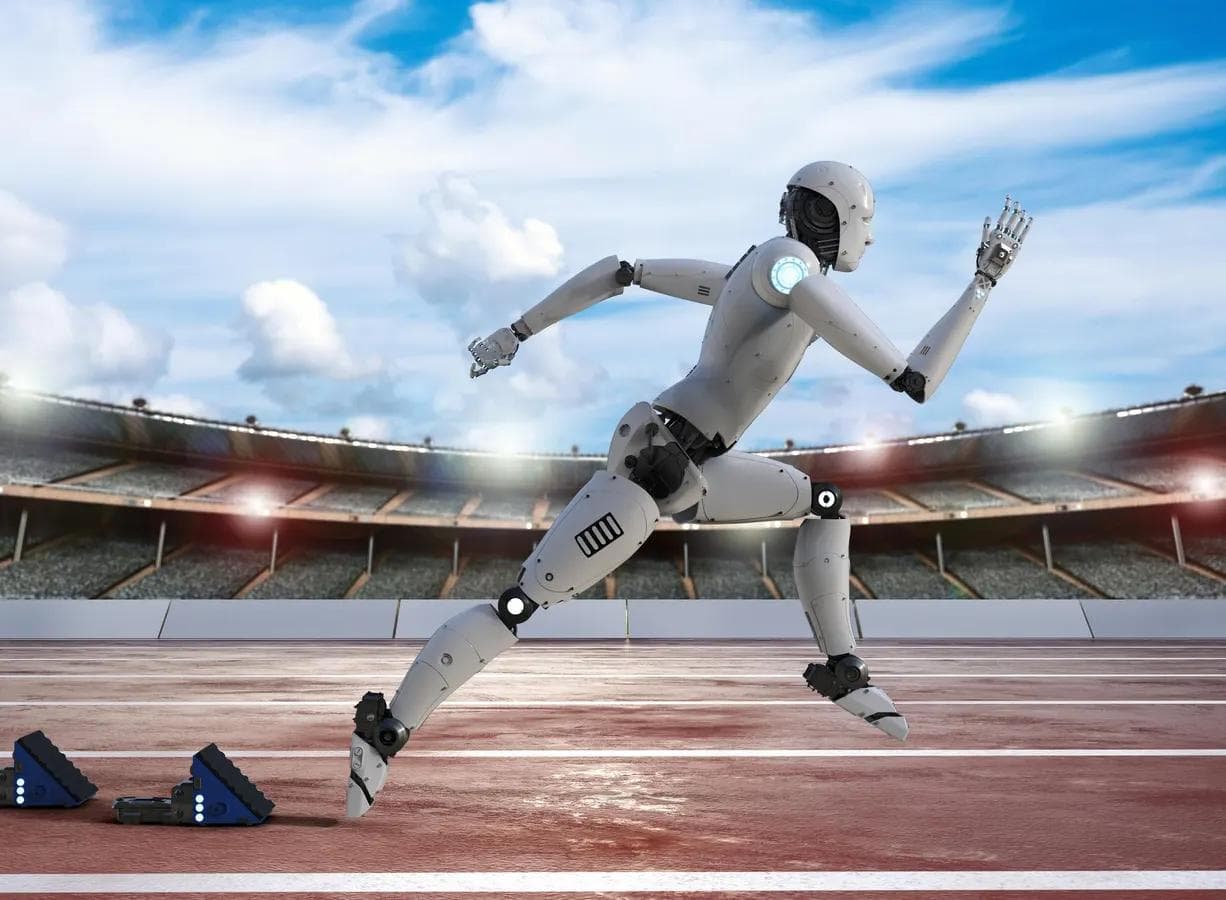
Sports photography has always been about capturing moments that disappear in a fraction of a second. A match-winning goal, a breathtaking dive, or the raw emotion on an athlete's face can tell a story more powerfully than words ever could. Today, artificial intelligence is transforming how these moments are captured, edited, and shared without replacing the creativity of photographers behind the camera.
As AI-powered cameras, smart editing software, and automated image recognition continue to improve, sports photography is entering a new era. Professionals can now work faster, fans receive images almost instantly, and media organizations cover events more efficiently than ever before. While technology is evolving rapidly, the heart of sports photography remains the same—capturing authentic human emotion and unforgettable sporting memories.
How AI Is Transforming Sports Photography
From Film Cameras to Intelligent Photography Systems
Sports photography has come a long way from manual film cameras. In earlier decades, photographers relied entirely on timing, experience, and patience. Missing the perfect moment often meant losing the shot forever.
Digital cameras changed everything by allowing photographers to review images immediately and shoot continuously. Now, AI has taken another major leap by helping cameras predict movement, recognize athletes, and automatically adjust focus in real time.
Modern professional cameras can identify:
- Human eyes and faces
- Fast-moving athletes
- Specific sports movements
- Ball tracking during play
- Subject positioning in crowded scenes
Instead of spending valuable seconds adjusting settings manually, photographers can focus more on composition and storytelling.
This technological shift benefits everyone involved—from journalists covering international tournaments to local photographers documenting school competitions across India.
Smarter Cameras Mean Better Timing
One of AI's biggest contributions is predictive autofocus.
Imagine photographing a cricket batter preparing for a powerful cover drive. The ball travels extremely fast, leaving almost no room for error. AI continuously analyzes movement patterns and predicts where the athlete will be milliseconds later.
The result?
More sharp images and fewer missed opportunities.
This is particularly valuable in sports such as:
- Cricket
- Football
- Hockey
- Tennis
- Badminton
- Athletics
Photographers covering high-speed action can now produce more consistent results, even under challenging lighting conditions.
Many sports enthusiasts who follow photography updates alongside sporting news on platforms such as skyexchange 247 are increasingly interested in how these AI-powered innovations improve live sports coverage and visual storytelling.
AI Has Changed Editing More Than Shooting
Capturing the image is only half the job.
Previously, photographers spent hours editing thousands of photographs after every sporting event. AI-powered editing software has dramatically reduced this workload.
Today's intelligent editing tools can automatically:
- Remove image noise
- Correct exposure
- Balance colors
- Detect blurry photos
- Suggest the strongest compositions
- Organize images by player or team
A task that once required several hours can now take minutes.
Importantly, experienced photographers still make the final creative decisions. AI assists the workflow but doesn't replace artistic judgment.
Faster Delivery Has Changed Sports Journalism
Sports fans expect instant updates.
Whether it's an IPL match, an Olympic final, or a local football tournament, audiences want photographs within minutes—not hours.
AI-powered workflows automatically:
- Select the sharpest images.
- Add metadata.
- Recognize players.
- Organize photo collections.
- Prepare files for publishing.
This speed allows news organizations and sports websites to publish visual updates almost immediately after key moments happen.
For sports-focused digital communities discussing tournaments through services like skyexchange quicker access to professional-quality match images makes the overall fan experience far more engaging.
AI Helps Photographers Cover Larger Events
Large sporting tournaments may involve hundreds of photographers capturing hundreds of thousands of images.
Managing such enormous image libraries would be nearly impossible manually.
AI now helps by:
- Detecting duplicate images
- Categorizing athletes automatically
- Searching photographs using natural language
- Recognizing logos and team uniforms
- Identifying emotional expressions
For editors working under tight deadlines, this automation is invaluable.
Human Creativity Still Matters Most
Despite impressive AI capabilities, great sports photography remains deeply human.
Technology cannot decide:
- Which emotional story deserves attention
- The perfect angle that creates drama
- When a celebration tells a bigger story than the score
- How to build trust with athletes
A memorable sports photograph often comes from patience, experience, and intuition rather than software.
Think about iconic images such as a marathon runner helping an injured competitor or a young player celebrating a first professional victory. AI can enhance image quality, but recognizing these meaningful moments still depends on the photographer.
AI Makes Photography More Accessible
Professional sports photography was once expensive and technically demanding.
Today, even smartphones include AI-powered photography features such as:
- Motion stabilization
- Automatic HDR
- Scene recognition
- Smart burst mode
- AI sharpening
This allows aspiring photographers to practice sports photography without investing immediately in high-end equipment.
Young creators covering local cricket leagues, school athletics, or football matches across India now have more opportunities to build impressive portfolios.
Some photography enthusiasts active within communities like 365win also share AI-enhanced sports images to improve their editing techniques and learn from fellow creators.
Ethical Questions Are Becoming More Important
As AI becomes more powerful, ethical concerns continue to grow.
Sports journalism depends on authenticity.
Over-editing photographs or generating fake sports scenes could damage public trust.
Responsible photographers follow several principles:
- Preserve factual accuracy.
- Avoid misleading edits.
- Clearly disclose AI-generated content.
- Maintain journalistic integrity.
- Respect athletes' privacy.
AI should improve image quality—not change reality.
Trust remains one of the most valuable assets in sports media.
Practical Tips for Photographers Using AI
If you're interested in sports photography, AI can become a valuable assistant rather than a replacement.
Here are practical ways to use it effectively:
- Learn camera fundamentals before relying on automation.
- Practice tracking fast-moving subjects.
- Use AI autofocus but monitor its accuracy.
- Edit thoughtfully instead of accepting every automatic adjustment.
- Keep original image files for reference.
- Develop your own visual style.
The strongest photographers combine technical knowledge with creative storytelling.
Common Myths About AI in Sports Photography
Many misconceptions surround AI's growing role in photography.
Myth 1: AI replaces photographers.
Reality: AI assists professionals but cannot replace creative decision-making.
Myth 2: Every AI-edited image is fake.
Reality: Most AI editing improves quality without altering the actual event.
Myth 3: Only expensive cameras use AI.
Reality: Many smartphones already include advanced AI photography features.
Myth 4: AI guarantees perfect photos.
Reality: Poor lighting, incorrect positioning, and weak composition still affect results.
Myth 5: Editing skills no longer matter.
Reality: Human editing remains essential for producing visually compelling sports images.
Key Takeaways
- AI has revolutionized autofocus and subject tracking.
- Editing workflows are significantly faster than before.
- News organizations can publish sports images almost instantly.
- Human creativity remains essential for storytelling.
- Ethical editing practices are more important than ever.
- AI has made sports photography more accessible to beginners.
- The future combines intelligent technology with human experience.
Frequently Asked Questions
1. How is AI improving sports photography?
AI improves autofocus, predicts athlete movement, speeds up editing, organizes image libraries, and helps photographers deliver images much faster. Many sports fans following photography discussions through skyexchange also appreciate how AI enhances live event coverage.
2. Can AI completely replace sports photographers?
No. AI supports technical tasks, but creativity, timing, storytelling, and emotional awareness still depend on skilled photographers.
3. Is AI photography suitable for beginners?
Yes. Modern smartphones and entry-level cameras include AI features that make sports photography easier to learn while helping users improve image quality.
4. Are AI-edited sports photos trustworthy?
They are trustworthy when editing only enhances clarity, exposure, or color without changing what actually happened during the event.
5. What is the biggest benefit of AI in sports photography?
The greatest advantage is speed. Photographers can capture, edit, organize, and publish professional-quality images much more efficiently. Photography enthusiasts exploring promotional offers such as skyexchange often also stay updated on emerging sports technology trends that improve the viewing experience.
Conclusion
Artificial intelligence has reshaped sports photography by making cameras smarter, editing faster, and image delivery nearly instantaneous. Yet the essence of great sports photography continues to rely on human observation, patience, and creativity. The most memorable images are still those that capture genuine emotion, determination, and the spirit of competition. As AI continues to evolve, photographers who embrace technology while preserving authenticity will be best positioned to tell the next generation of unforgettable sporting stories.