
10 Things to Check Before Buying a Buggy

Written By
Admin
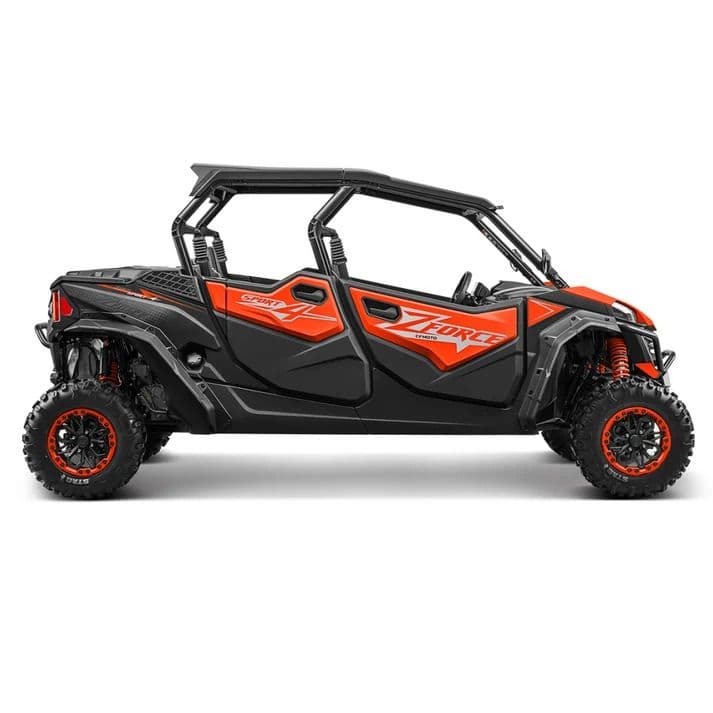
Buying a buggy can be an exciting decision, especially for families looking for an outdoor recreational vehicle. However, choosing the right model requires more than comparing prices or selecting the vehicle with the most attractive design.
Different buggies are built for different riders, environments, passenger capacities, and levels of performance. A compact recreational model may be suitable for one rider, while a larger 4 seater dune buggy may be designed for families or groups.
Before purchasing, buyers should evaluate the vehicle's safety features, power source, weight capacity, terrain suitability, dimensions, maintenance requirements, and long-term ownership costs.
If you are currently comparing buggies for sale, this guide explains the ten most important things to check before making a decision.
1. Check the Intended Rider
The first thing to determine is who will operate the buggy.
A vehicle should match the rider's:
- Age
- Height
- Weight
- Experience
- Physical ability
- Ability to control the vehicle
For younger riders, check the manufacturer's recommended age and weight requirements.
Do not choose a vehicle simply because it looks smaller or easier to operate. The manufacturer's specifications should determine whether a particular model is appropriate.
Why Rider Suitability Matters
A vehicle that is too powerful or too large can be difficult for an inexperienced rider to control.
Before purchasing, make sure the rider can comfortably:
- Reach the controls
- Operate the accelerator
- Operate the brakes
- Turn the steering wheel
- Understand the vehicle's controls
- Follow basic safety instructions
For children, appropriate adult supervision should also be considered.
2. Check the Seating Capacity
The number of passengers you plan to carry should influence your choice.
Buggies can come in different seating configurations, including:
- Single-seat
- Two-seat
- Four-seat
If you want a vehicle for several family members, a four-seat model may be worth considering.
However, seating capacity and weight capacity are not the same thing.
A four-seat vehicle may accommodate four occupants only when the combined passenger weight remains within the manufacturer's specified limit.
Is a 4 Seater Dune Buggy Right for You?
A 4 seater dune buggy can be useful for families or groups who want to share an outdoor recreational experience.
Before purchasing one, check:
- Maximum number of occupants
- Maximum combined weight
- Vehicle dimensions
- Seat configuration
- Safety restraints
- Terrain suitability
- Suspension
- Tires
- Motor or engine specifications
Additional passengers increase the total vehicle weight and can affect acceleration, braking, handling, and battery range.
3. Check the Power Source
The next decision is whether you want an electric or petrol vehicle.
Both options have different characteristics.
Electric Buggy
Electric models use a rechargeable battery and electric motor.
Potential advantages include:
- Quiet operation
- Simple starting
- No petrol storage
- Less engine-related maintenance
- Convenient charging
However, you need to consider:
- Battery capacity
- Charging time
- Operating range
- Charging availability
- Battery replacement
Petrol Buggy
Petrol models use an internal-combustion engine.
Potential advantages include:
- Traditional engine experience
- Quick refueling
- Longer continuous operation in some applications
- Different engine-size options
However, petrol models generally require more mechanical maintenance.
This can include:
- Oil changes
- Air-filter servicing
- Spark-plug maintenance
- Fuel-system checks
- Engine servicing
Neither power source is automatically better.
The right choice depends on your intended use and ownership preferences.
4. Check the Terrain Compatibility
One of the biggest mistakes buyers make is assuming that every buggy can handle every type of terrain.
This is not the case.
Different vehicles may be designed for:
- Smooth private surfaces
- Grass
- Dirt
- Gravel
- Uneven ground
- Sand
- Specific recreational environments
Before buying, identify where you intend to use the vehicle.
Then check whether the manufacturer recommends that particular model for the intended environment.
What About Sand and Dunes?
Sand can be more demanding than firm ground.
Loose surfaces can affect:
- Traction
- Acceleration
- Steering
- Braking
- Energy consumption
- Vehicle stability
If you are specifically interested in dune recreation, verify that the individual vehicle is designed or approved for the intended terrain.
Do not rely only on an off-road appearance.
5. Check the Tires
Tires have a direct impact on traction and handling.
When comparing a buggy car, examine:
- Tire size
- Tire width
- Tread pattern
- Construction
- Recommended pressure
- Intended terrain
A tire designed for smooth surfaces may perform differently from one designed for suitable off-road environments.
The correct tire should match both the vehicle and the intended terrain.
Why Tire Pressure Matters
Incorrect tire pressure can affect:
- Handling
- Traction
- Braking
- Tire wear
- Ride comfort
Always follow the manufacturer's recommended tire pressure.
6. Check the Weight Capacity
Weight capacity is one of the most important specifications to check before purchasing.
The manufacturer's maximum load may include:
- Driver
- Passengers
- Permitted cargo
Overloading a vehicle can affect:
- Acceleration
- Braking
- Steering
- Suspension
- Stability
- Tire performance
- Battery range
This is particularly important when purchasing a multi-seat buggy.
Do not assume that physical seating space means the vehicle can safely carry any combination of passengers.
Always stay within the manufacturer's specified limit.
7. Check the Safety Features
Safety features should be a major part of your buying decision.
Depending on the model, these may include:
- Seat belts
- Safety harnesses
- Reliable brakes
- Speed controls
- Protective seating
- Stable frame construction
- Appropriate lighting
The exact safety equipment varies by vehicle.
When choosing a buggy for a child, also check the manufacturer's age and rider requirements.
Safety Is More Important Than Speed
It can be tempting to focus on maximum speed when comparing vehicles.
However, speed should not be the primary purchasing factor.
Instead, consider whether the vehicle provides appropriate control for the intended rider.
A vehicle that matches the rider's ability and intended environment is generally a more sensible choice than one selected purely because it is faster.
8. Check the Dimensions
Vehicle dimensions are easy to overlook during the buying process.
Before purchasing, check:
- Length
- Width
- Height
- Wheelbase
- Turning requirements
Then compare those measurements with your:
- Storage space
- Garage
- Doorways
- Transportation equipment
- Intended riding area
A large four-seat buggy can require considerably more storage and transportation space than a smaller model.
Think About Transportation
Ask yourself how you will move the buggy.
Depending on the vehicle's size and weight, transportation may require suitable equipment.
Planning this before purchasing can prevent unexpected logistical problems.
9. Check Maintenance Requirements
A buggy requires regular care regardless of whether it is electric or petrol-powered.
For electric models, maintenance can include:
- Battery inspection
- Charging-system checks
- Tire maintenance
- Brake inspection
- Steering checks
- Suspension checks
- Electrical-system inspection
For petrol models, maintenance may additionally include:
- Engine oil
- Air filters
- Spark plugs
- Fuel-system checks
- Engine servicing
When comparing buggies for sale, ask about the manufacturer's recommended service schedule.
Replacement Parts Matter
Before buying, find out whether common replacement components are available.
Potential replacement parts include:
- Tires
- Brake components
- Batteries
- Chargers
- Filters
- Spark plugs
- Suspension components
A vehicle can be easier to own when replacement parts and technical support are readily available.
10. Check the Total Cost of Ownership
The purchase price is only one part of the cost of owning a buggy.
Consider:
Purchase Price
The initial cost of the vehicle.
Electricity or Fuel
Electric models require charging, while petrol models require fuel.
Maintenance
Routine servicing and component replacement.
Tires
Tires eventually require replacement depending on usage and wear.
Battery
Electric models may eventually require battery replacement.
Repairs
Unexpected repairs can add to ownership costs.
Transportation
Larger vehicles may require additional transportation arrangements.
Storage
You may need an appropriate covered and secure storage area.
Looking at the complete ownership cost gives you a better idea of the vehicle's actual value.
New or Used Buggy?
Another decision buyers often face is whether to purchase new or used.
Buying New
Potential benefits include:
- New components
- Current specifications
- Manufacturer warranty where offered
- No previous usage history
- Potentially lower immediate repair requirements
Buying Used
Potential advantages can include:
- Lower initial purchase price
- Access to models that may no longer be sold new
- Potential value for experienced buyers
However, a used vehicle should be inspected carefully.
Check:
- Tires
- Brakes
- Steering
- Suspension
- Battery
- Engine
- Frame
- Safety restraints
- Electrical components
Ask whether maintenance records are available.
If you are not experienced with mechanical inspection, consider getting professional assistance before purchasing a used vehicle.
Questions to Ask Before Buying
Before finalizing your purchase, ask the seller or manufacturer:
What age is this buggy designed for?
Check the recommended rider age.
What is the maximum weight?
Confirm the total permitted load.
How many passengers can it carry?
Verify the manufacturer's seating configuration.
What terrain is it designed for?
Do not assume that every buggy can be used on sand or dunes.
Is it electric or petrol?
Understand the operating requirements.
How long does the battery last?
Important when considering an electric model.
What maintenance is required?
Ask for the recommended service schedule.
Are replacement parts available?
This matters for long-term ownership.
What safety features are included?
Check restraints, brakes, speed controls, and other relevant features.
What warranty is provided?
Understand what components and repairs are covered.
How to Compare Different Buggies for Sale
When looking through different buggies for sale, it can be useful to create a simple comparison table.
This allows you to compare vehicles based on practical requirements instead of appearance alone.
Buggy Buying Checklist
Before purchasing, make sure you can answer "yes" to the following:
- Is the buggy suitable for the intended rider?
- Is the seating capacity sufficient?
- Is the weight limit appropriate?
- Is the power source suitable?
- Is the terrain compatible?
- Are the tires appropriate?
- Are the brakes suitable?
- Are safety restraints available where required?
- Does the vehicle fit your storage space?
- Can you transport it?
- Can you maintain it?
- Are replacement parts available?
- Does the total ownership cost fit your budget?
If you cannot answer these questions, gather more information before making the purchase.
Common Mistakes Buyers Should Avoid
Buying Based Only on Price
The cheapest vehicle may not provide the best overall value.
Choosing the Fastest Buggy
Higher speed is not necessarily appropriate for every rider.
Ignoring Weight Capacity
Overloading can affect vehicle performance and safety.
Assuming Every Buggy Is Suitable for Dunes
Terrain compatibility must be confirmed for the specific model.
Forgetting Storage
A large vehicle requires adequate space.
Ignoring Maintenance
Every buggy requires some level of maintenance.
Buying Without Checking Parts Availability
Replacement components can become important over time.
Focusing Only on Appearance
A good-looking vehicle may not meet your actual requirements.
Final Thoughts
Buying the right buggy requires careful consideration of more than price and appearance.
Start by identifying the intended rider and environment. Then consider seating capacity, weight limits, power source, tires, suspension, brakes, safety features, dimensions, maintenance, and long-term ownership costs.
If you are comparing buggies for sale, use a checklist to evaluate each model against your actual requirements. This makes it easier to identify the vehicle that offers the right combination of practicality, safety, performance, and value.
For families considering a 4 seater dune buggy, pay particular attention to passenger capacity, total weight, terrain suitability, vehicle dimensions, and safety equipment.
Most importantly, always follow the manufacturer's instructions and use the vehicle only in environments where it is appropriate and legally permitted.
For families looking for children's products, recreational vehicles, outdoor play equipment, and toys, Toyzinn provides a range of products for different ages and interests.
Frequently Asked Questions
1. What should I check before buying a buggy?
Check the rider's age and weight, seating capacity, maximum load, power source, terrain suitability, tires, suspension, brakes, safety features, dimensions, maintenance requirements, warranty, and total ownership cost.
2. Is a 4 seater dune buggy good for families?
A four-seat buggy can be suitable for families when the specific vehicle is designed for the intended passengers and environment. Always follow the manufacturer's seating and weight limits.
3. How important is the weight limit of a buggy?
The weight limit is extremely important. Exceeding the manufacturer's specified capacity can affect braking, steering, suspension, acceleration, and stability.
4. Should I choose an electric or petrol buggy?
The choice depends on your needs. Electric models can offer quiet operation and simpler engine-related maintenance, while petrol models can offer traditional engine operation and quick refueling.
5. Can I use any buggy on sand dunes?
No. Only use a buggy on sand or dunes when the manufacturer specifies that the particular model is suitable for that environment.
6. What safety features should I look for in a buggy?
Depending on the model, look for appropriate seat belts or harnesses, reliable brakes, speed controls, suitable seating, and stable vehicle construction.
7. How much maintenance does a buggy need?
Maintenance varies by model. Electric buggies generally require battery, tire, brake, steering, suspension, and electrical-system checks. Petrol models also require engine and fuel-system maintenance.
8. What should I consider when buying a used buggy?
Inspect the tires, brakes, steering, suspension, battery or engine, frame, electrical system, safety restraints, and overall condition. Maintenance records can also be useful.
9. How do I know which buggy size is right for me?
Consider the rider's size, number of passengers, storage space, transportation requirements, and intended terrain. Always compare these factors with the manufacturer's specifications.
10. What is the most important factor when choosing a buggy?
There is no single factor for every buyer. The most important consideration is whether the vehicle is appropriate for the intended rider, passengers, environment, and use while meeting the manufacturer's safety and operating requirements.